What Does It Cost to Live in Lower Laurel Canyon, Near Kirkwood and the Country Store?
Two 2026 Kirkwood Drive sales closed at $1.425M and $1.625M. Here is what lower Laurel Canyon costs, how its lots work, and what buyers should check first.

What does it actually cost to live in lower Laurel Canyon?
In 2026, a modest single-family house on Kirkwood Drive, the side street that meets Laurel Canyon Boulevard at the Canyon Country Store, has sold for roughly $1.4 million to $1.6 million. Two dated sales on Redfin show the range: a three-bedroom on a 6,007 square foot lot closed at $1,425,000 in April, and a 1,468 square foot house on a 4,489 square foot lot closed at $1,625,000 in June, above its asking price. Those are typical prices for smaller houses in the canyon's most walkable pocket, not the ceiling.
We have written about Laurel Canyon before, in our full canyon guide and in posts on Lookout Mountain and Wonderland Park. This guide stays at the bottom of the canyon: the stretch around Kirkwood Drive, the Country Store, and the narrow streets that climb away from the boulevard.
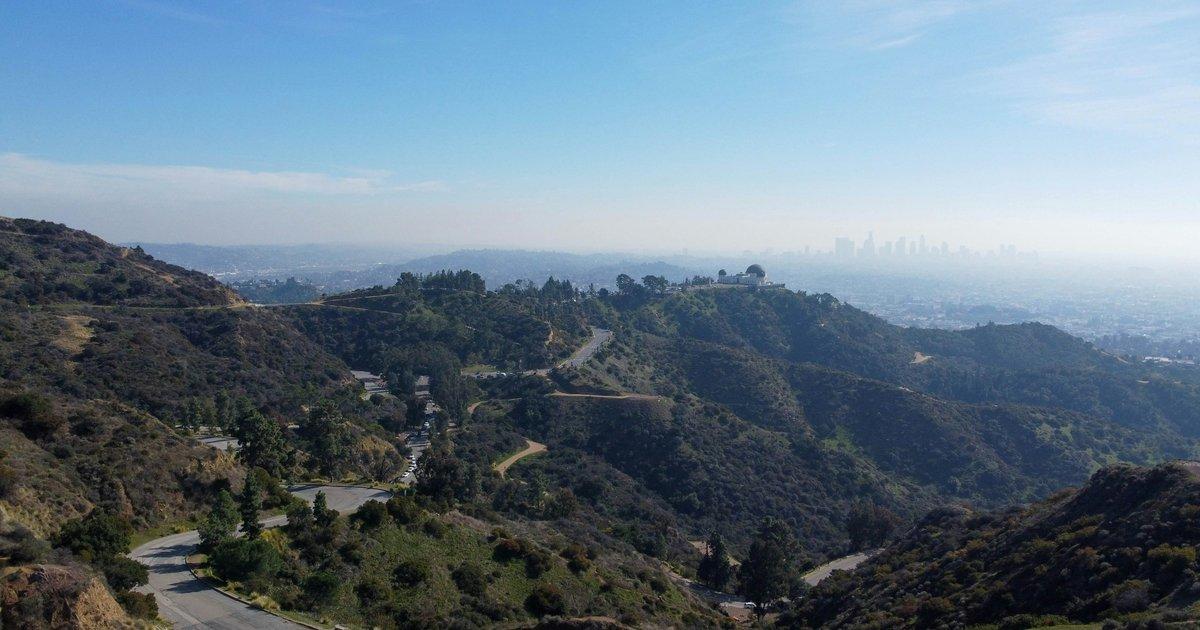
Where lower Laurel Canyon is
Wikipedia's Laurel Canyon article places the canyon in the Hollywood Hills West district of the Santa Monica Mountains, with West Hollywood to the west and south, Hollywood to the east, and Studio City to the north across Mulholland Drive. It names the side streets that branch off the boulevard: Mount Olympus, Kirkwood, Wonderland Avenue, Willow Glen and Lookout Mountain Avenue.
Lower Laurel Canyon is not an official boundary. It is how people in the canyon tend to describe the bottom of it above Sunset Boulevard, where the side streets are close enough to walk to the store. Kirkwood Drive is the spine of it. It leaves the boulevard at the store and winds uphill through houses set close to the pavement, with Ridpath Drive and a web of smaller lanes branching off.
The store at the center of it
The building everyone orients by is the Canyon Country Store at 2108 Laurel Canyon Boulevard. According to the Los Angeles Conservancy, the brick building went up in 1924, its first tenants were real estate offices, a market operated there from the early 1930s, and by 1956 it was the Canyon Country Store. By the mid-1960s it was the informal gathering place for the canyon's music scene.
That history is now in front of the city. The Department of City Planning staff report for case CHC-2026-4816-HCM, filed by the Conservancy, places the building on the northeast corner of Laurel Canyon Boulevard and Kirkwood Drive, notes that the Laurel Tavern on the site burned in 1923 and was replaced by the current building a year later, and cites SurveyLA's description of it as an excellent and rare example of a 1920s neighborhood market in the Hollywood Hills. Staff recommended that the Cultural Heritage Commission take the store under consideration as a Historic-Cultural Monument at its October 15, 2026 hearing. The same report lists the parcel's zoning as R1-1-HCR, the single-family hillside zoning that covers most of the streets around it.
For a homeowner on Kirkwood, a landmark designation at the corner does not change what you can do with your own lot. What it signals is that the commercial heart of the lower canyon is likely to stay a small neighborhood store rather than turn into something else, which is a large part of why people pay to live within walking distance of it.
How the streets were laid out, and why it matters today
The Laurel Canyon Association's history of the canyon explains a lot about how these homes live. The early tracts in the canyon were platted with narrow lots and a network of interconnecting lanes and footpaths, and the Association ties today's parking and access problems directly to those narrow streets. It also notes that the canyon's first regularly published newspaper, the Canyon Crier, shared space with a realty office at Crier Square, at Kirkwood and Laurel Canyon Boulevard, and that the boulevard itself was regraded and widened in the 1930s to give access to the San Fernando Valley.
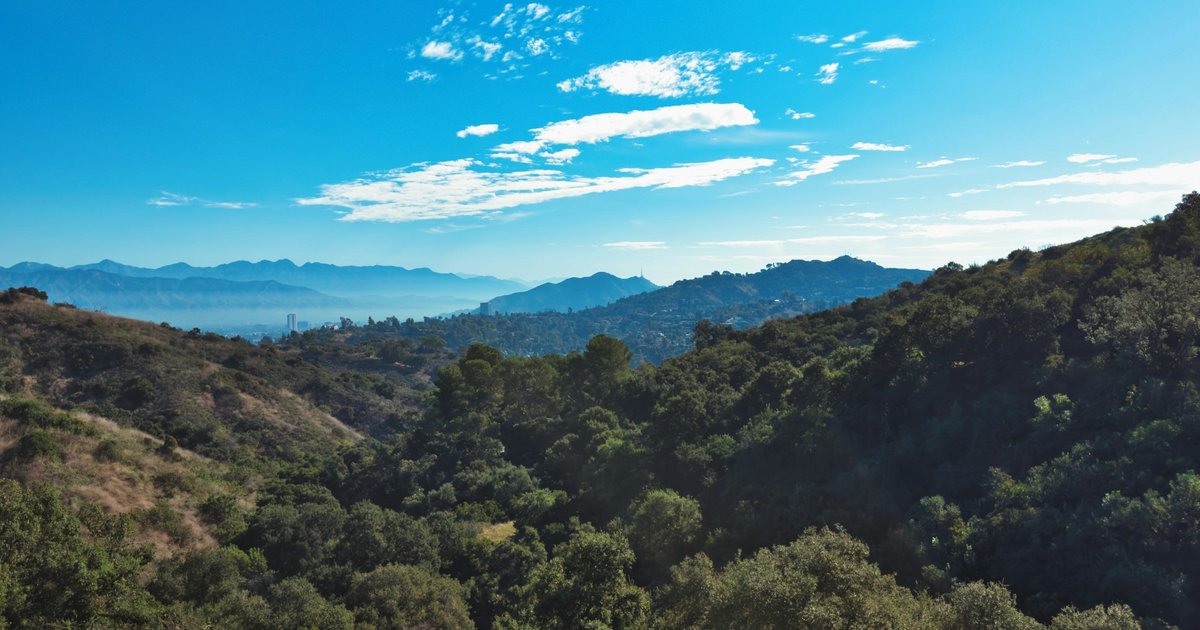
That history shows up in every listing. Lots are small and often steep. Many houses sit right at the street with little or no driveway. Garages, where they exist, are often carved into the hillside below the house. A buyer coming from the flats should expect to trade lot size and parking for trees, privacy from the slope, and a short walk to coffee and groceries.
What has sold, and what it tells you
These are the dated records I could verify on Redfin for the lower canyon this year. The price per square foot figures are Redfin's.
| Address | Status and date | Price | Beds / baths | Sq ft | Lot | Built |
|---|---|---|---|---|---|---|
| 8421 Kirkwood Dr | Sold Jun 30, 2026 | $1,625,000 ($1,107 per sq ft) | 2 or 3 / 2 | 1,468 | 4,489 sq ft | 1948 |
| 8329 Kirkwood Dr | Sold Apr 13, 2026 | $1,425,000 ($950 per sq ft) | 3 / 2 | 1,500 | 6,007 sq ft | 1949 |
| 2132 Laurel Canyon Blvd | Listed Sep 13, 2026 | $1,099,000 asking ($878 per sq ft) | 2 / 2 | 1,252 | 3,222 sq ft | 1938 |
A few caveats before you use these as comps. Redfin shows 8421 Kirkwood as three bedrooms in its listing header and two in the public record. It shows 8329 Kirkwood at 1,500 square feet from the MLS and 1,359 from the public record, and the public record puts that sale at $1,450,000 rather than the MLS figure of $1,425,000. Confirm the details with the county records before you lean on any of them.
The two Kirkwood sales tell different stories. 8421 Kirkwood listed at $1,549,000 in late May and closed about 5% over that, at $1,625,000, within about five weeks. 8329 Kirkwood listed at $1,499,000 in February and closed below asking in April. Its own history is worth reading: Redfin shows it selling for $810,000 in February 2023 and $1,487,000 in December 2023, so the April 2026 price came in under what the previous buyer paid. In a pocket this small, condition, layout and the exact slope of the lot move price more than any market average does.
The boulevard listing is a reminder of the trade-off at the bottom of the canyon. A house fronting Laurel Canyon Boulevard is a short walk to the store, but it also sits on one of the main routes between Hollywood and the Valley, and it tends to price below a comparable house tucked up a side street.
Lower canyon versus the rest of Laurel Canyon
Compared with Lookout Mountain and Wonderland Park, the lower canyon is closer to Sunset, closer to the store, and generally made up of smaller houses on smaller lots built from the 1920s through the 1940s. Higher up, toward Mulholland and in pockets like Mount Olympus, lots tend to get larger, views open up, and prices generally run higher. Across the ridge to the east, Nichols Canyon offers a similar canyon setting with less through traffic.
If you are deciding between the lower canyon and one of those pockets, the honest question is how you weigh walkability and character against lot size, parking and views. If you would like help comparing specific houses in lower Laurel Canyon against the rest of the canyon, you can schedule a private consultation about lower Laurel Canyon and we will walk through the trade-offs street by street. You can also browse current inventory on our Laurel Canyon community page.
What to check before you buy here
Fire comes first. Wikipedia records that a July 1959 fire destroyed some 38 homes in the canyon. Check the specific parcel against California's Fire Hazard Severity Zone maps, read the Natural Hazard Disclosure early, and get an insurance quote during your contingency period, not after it.
Parking and access come next. On narrow lanes, ask exactly where you, your guests and a moving truck will park, and whether any parking is on a neighbor's easement or a shared drive.
Then look at the house itself. The three homes above were built between 1938 and 1949, and many lower canyon houses sit on retaining walls and slopes. A general inspection is the start, not the end. Budget for a foundation or structural look and a sewer line scope, and pull the permit history so you know what was built with approval.
Transfer taxes are simpler at these prices. The city's Measure ULA tax starts at $5,400,000 under the current indexed tiers, so it does not reach a typical Kirkwood sale. The Los Angeles County Registrar-Recorder lists the county documentary transfer tax at $1.10 per $1,000 and the City of Los Angeles rate at $2.25 per $500. By my own math, a $1,625,000 sale would carry about $1,788 in county tax and $7,313 in city tax.
Frequently Asked Questions
How much does a house cost in lower Laurel Canyon? Two single-family houses on Kirkwood Drive sold in 2026 for $1,425,000 in April and $1,625,000 in June, according to Redfin. A smaller house on Laurel Canyon Boulevard was listed in September at $1,099,000. Larger homes higher in the canyon sell for considerably more.
Is the Canyon Country Store a historic landmark? It has been nominated. The Los Angeles Conservancy applied for Historic-Cultural Monument status, and city planning staff recommended that the Cultural Heritage Commission take it under consideration at its October 15, 2026 hearing. Taking it under consideration starts a fuller review. It is not yet a final designation.
Is parking hard in lower Laurel Canyon? Often, yes. The canyon's early tracts were laid out with narrow lots and lanes, and many houses have little or no driveway. Confirm off-street parking for any specific house before you write an offer.
Does Measure ULA apply to lower Laurel Canyon sales? Lower Laurel Canyon is inside the City of Los Angeles, so Measure ULA applies to sales at or above the current threshold, which the city adjusts each year. The 2026 Kirkwood Drive sales were well below that threshold, so they paid only the regular county and city transfer taxes.
How do I find a good real estate agent for a house in Laurel Canyon? Look for someone who has worked hillside sales in the canyon and knows how lot slope, parking, retaining walls and fire insurance change what a house is worth, because two houses on the same street can price very differently. Ask how they would comp a specific house, not just what the neighborhood median is. Paul Blair has 22 years in the business and works the Hollywood Hills, Laurel Canyon and the Westside.
Over 22 years of Los Angeles sales I have learned that in the lower canyon, the slope, the parking and the walk to the store set the price as much as the house does.
Paul Blair is the founder and broker of Grey Square, a virtual real estate brokerage representing buyers and sellers across Dallas, Los Angeles and Houston. With 22 years in the business, Paul works the full range of the market, from luxury homes in the Park Cities and Preston Hollow to estates in the Hollywood Hills and across the Westside. Connect with Paul and the Grey Square team at greysq.com. TX TREC #9011505 · CA DRE #01792671.
Looking at homes in Los Angeles?
We check the zone, the taxes and the comps before you tour, so the house you buy is the one you decided on.