Methane Zones in Los Angeles: A Buyer and Seller Guide
Los Angeles methane zones show up on your NHD report. Here's what sellers must disclose, what buyers should verify, and which LA neighborhoods are affected.

By Paul Blair
What is a methane zone in Los Angeles real estate?
A methane zone is a designation under Los Angeles Municipal Code Chapter 71 marking areas where underground oil and gas activity has created the risk of methane seepage into buildings. Every home sale in Los Angeles includes a Natural Hazard Disclosure (NHD) report, and methane zone status appears in it. Sellers in affected areas must disclose what they know about existing mitigation systems. Buyers in new construction zones face mandatory methane mitigation before permits are issued.
If you receive an NHD report during escrow and see "Methane Zone" listed, you're looking at one of the more LA-specific disclosures in California real estate. Unlike wildfire zones or flood zones, methane zones don't appear in most other markets. They're a product of Los Angeles's oil extraction history, and they affect a meaningful portion of properties on the Westside, in South LA, and in a few other pockets across the city.
Here's what you need to know whether you're buying or selling.
How Methane Zones Work in Los Angeles
Los Angeles sits above a network of historic oil and gas fields. The Inglewood Oil Field, the Playa del Rey Oil Field, and several others operated for decades and left behind underground conditions where methane, a natural byproduct of decomposing organic matter and petroleum extraction, can seep upward through soil and accumulate in enclosed spaces.
In 1996, following a fatal explosion in a Ross Dress for Less store on the Westside caused by methane accumulation, the City of Los Angeles enacted LAMC Chapter 71 to address the risk. That code established two designations: the Methane Zone and the Methane Buffer Zone.
A Methane Zone means the area has documented evidence of methane seepage. A Methane Buffer Zone is adjacent territory where the risk is lower but where the city still imposes construction requirements as a precaution.
The practical effect on real estate: any new construction in a methane zone requires an approved methane mitigation system before the Department of Building and Safety will issue permits. That typically means a membrane barrier under the slab, passive venting pipes, and in some cases active monitoring with alarms. Existing improved properties aren't required to retrofit unless they undergo major new construction work, but the designation still shows up on the NHD report and can affect buyer behavior.
Worth noting: the methane zone is a City of Los Angeles designation under LAMC, not a county or state classification. Properties in incorporated cities within LA County, such as Beverly Hills, Santa Monica, or Culver City, aren't on the LADBS methane zone map, even if the underlying geology is similar.
Which Los Angeles Neighborhoods Are Affected
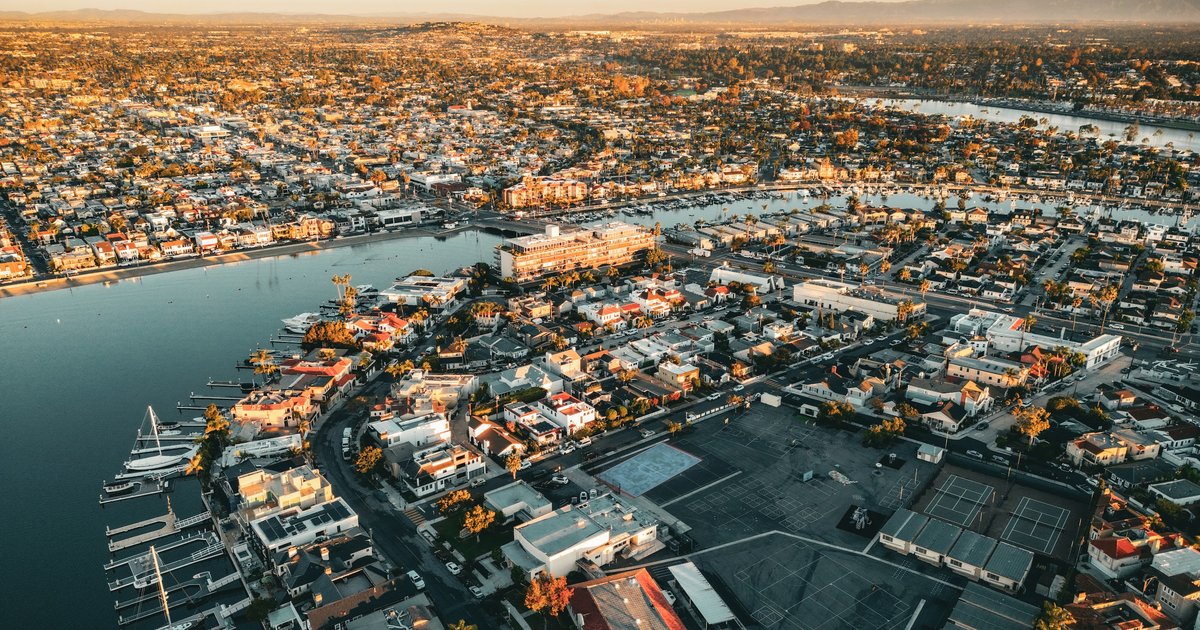
The methane zones follow the footprints of the city's historic oil fields and former industrial areas. Neighborhoods commonly affected include Cheviot Hills, Inglewood, Venice, Playa del Rey, Las Cienegas, parts of Boyle Heights, and the area around Union Station.
Playa Vista is the most prominent example. The neighborhood was built on the former Hughes Aircraft property, which sits above portions of the Playa del Rey Oil Field. Virtually the entire neighborhood falls within the Methane Zone or Methane Buffer Zone, and the buildings there were designed from the ground up with mitigation systems: membrane barriers under slabs, passive vents, and monitoring alarms.
Parts of West Los Angeles near the oil field boundaries and some residential pockets in Inglewood are also affected, along with portions of Venice that sit above the historic Venice Oil Field.
The Los Angeles Department of Building and Safety publishes a methane zone map on its website at LADBS.org. You can search a specific address to confirm whether it falls in the Methane Zone, the Methane Buffer Zone, or neither. The NHD report will also state it clearly.
What Sellers Need to Disclose
Selling in a methane zone doesn't require any action before you list, but it does require you to get your disclosure documentation right.
The NHD report takes care of the zone designation automatically. The company that generates the NHD pulls the LADBS data and includes it in the report, so buyers will see the designation whether or not you mention it. What you control is what goes into your Transfer Disclosure Statement and Seller Property Questionnaire.
On the TDS and SPQ, you're required to disclose known material facts about the property's condition. If your home has a methane mitigation system, disclose it and include any permits on file with LADBS. If you've had any testing, inspections, or remediation work related to methane, that goes on the disclosure too. If you genuinely don't know whether a mitigation system exists, pull the permit history through LADBS before you list.
For most homes in established methane zone neighborhoods like Playa Vista, buyers expect the designation and aren't alarmed by it because those buildings were engineered to address it. In neighborhoods where methane zone status is less anticipated, having your documentation ready shortens escrow and removes a point of negotiation.
One thing that doesn't change in a methane zone: your obligation to disclose. Selling as-is doesn't relieve you of the TDS and SPQ requirements. What as-is actually protects, and what it doesn't, is covered here.
Before you list, it's also worth checking whether there are any other mandatory pre-sale items tied to your property. The full pre-close checklist for Los Angeles sellers is here.
What Buyers Should Do During the Contingency Period
Seeing "Methane Zone" on your NHD is not a reason to cancel. For existing improved properties with properly installed and maintained mitigation systems, the day-to-day risk is low. What you want to do is verify the system's condition during your inspection period.
Your general home inspector may note the presence or absence of a mitigation system, but in a known methane zone it's worth asking specifically. For older buildings where the mitigation system was installed years ago, a specialist inspection can confirm whether the membrane, venting, and any monitoring components are functioning correctly.
Questions to work through before you lift contingencies:
Does the property have a methane mitigation system? If yes, are there LADBS permits confirming it was installed and inspected? Ask the seller to provide them.
When was the system last serviced? Venting pipes can become blocked and alarm systems can fail without routine checks. Maintenance records matter.
If you're planning significant renovation or new construction on the property, what are the LAMC Chapter 71 requirements, and how do they affect your project costs and timeline?
For buyers using financing, methane zone status doesn't typically create underwriting issues on existing improved residential properties. Lenders evaluate value and habitability, and a properly mitigated home in a methane zone neighborhood clears both tests. If you're financing construction, your lender will want to see the approved mitigation plan before funding.
The preliminary title report your escrow company orders won't list the methane zone itself, but it will show any recorded easements or environmental covenants tied to mitigation obligations. Here's how to read what shows up in the prelim.
Frequently Asked Questions
Does a methane zone affect property values in Los Angeles?
Not significantly for existing improved properties with documented mitigation systems. In Playa Vista, where every building was designed with mitigation from the start, the designation is already priced into the market and doesn't create discounts relative to comparable non-methane-zone neighborhoods. In areas where buyers are less familiar with the designation, it can prompt more due diligence and occasional back-and-forth, but it's rarely a deal-breaker when the paperwork is in order.
Can I get a mortgage on a home in a Los Angeles methane zone?
Yes. Lenders don't treat methane zone status as a factor affecting loan eligibility for existing residential properties. The zone affects construction permitting requirements, not the habitability of homes that already have approved mitigation systems in place. Confirm with your lender if you have questions about a specific transaction.
How do I find out if a Los Angeles property is in a methane zone?
The LADBS methane zone map at LADBS.org is the primary source. You can search by address. The NHD report the seller provides will also state methane zone status directly. You can request a preliminary NHD report on any property before making an offer if you want to check early.
What is the difference between a Methane Zone and a Methane Buffer Zone?
A Methane Zone has documented evidence of methane seepage based on testing or incident history. A Methane Buffer Zone is adjacent territory where the city imposes similar construction requirements as a precaution, even without direct seepage documentation. Both appear on NHD reports. Both trigger mitigation requirements for new construction and significant additions under LAMC Chapter 71.
Does methane zone status affect homeowners insurance in Los Angeles?
Generally no for standard homeowners policies on existing improved properties. Methane zone designation is a construction code classification, not an insurance rating factor the way wildfire zones are. If you're planning new construction in a methane zone, talk with your contractor and insurance broker about coverage during the construction phase.
Selling or Buying in a Los Angeles Methane Zone
If your property is in Playa Vista, Cheviot Hills, Inglewood, Venice, or another affected neighborhood, your NHD is going to flag it. That's not a problem. But you want the right documentation assembled before buyers start asking questions, and you want a pricing and disclosure strategy that accounts for it from the start.
Get your home's estimated market value at greysq.com/home-value, or reach out to the Grey Square team to talk through what the methane zone designation means for your listing timeline.
Paul Blair is the founder and broker of Grey Square, a virtual real estate brokerage representing buyers and sellers across Dallas and Los Angeles. With 22 years in the business and more than $200 million in closed transactions, Paul works the full range of the market, from luxury homes in the Park Cities and Preston Hollow to estates in the Hollywood Hills and across the Westside. Connect with Paul and the Grey Square team at greysq.com. TX TREC #9011505 · CA DRE #01792671.