Mold Inspection in Dallas: What Every DFW Home Buyer Needs to Know
Dallas homes face mold risks most buyers don't expect, slab leaks, HVAC condensation, and clay soil. A TDLR-licensed inspection runs $279–$600. Here's how to protect yourself.
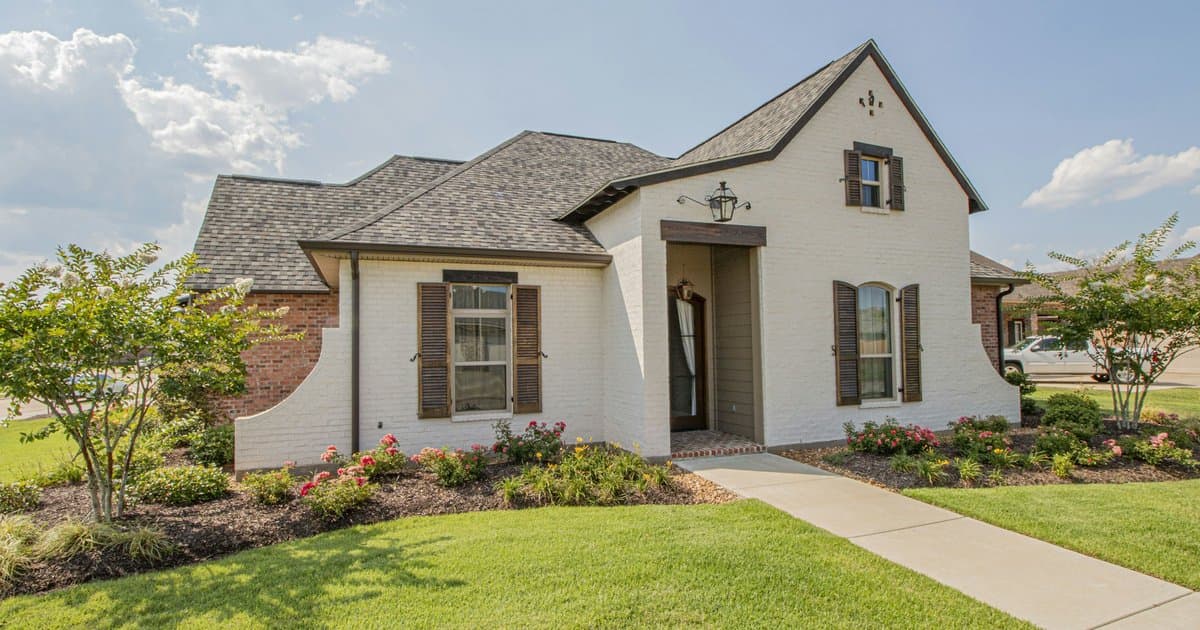
What does a mold inspection cover for Dallas home buyers?
A mold inspection in Dallas must be performed by a TDLR-licensed Mold Assessment Consultant (MAC), not a general home inspector. It includes a visual survey, moisture meter readings, and optional air or surface sampling sent to an accredited lab. In the DFW area, post-tension concrete slabs sitting on expansive Blackland Prairie clay, HVAC systems running months at a time, and humid subtropical summers create a mold risk profile that catches most out-of-state buyers by surprise. A standalone inspection runs $279 to $600; air sampling adds $150 to $400 per sample; remediation averages $2,336 and can exceed $12,000 for larger scopes.
By Paul Blair | August 7, 2026
Most buyers coming to Dallas put foundation, roof, and HVAC at the top of their inspection checklist. Mold feels like a Pacific Northwest problem, not a North Texas one. But DFW has a mold profile driven by factors built into this region's geology and construction methods, and buyers who skip the assessment sometimes find out after closing why they shouldn't have.
This post covers what a mold inspection actually involves here, who can legally perform one under Texas law, how to time it during your option period, and what your options are if the assessment comes back with findings.
Why Dallas Homes Have a Unique Mold Risk
Dallas sits on the Blackland Prairie, a belt of dark, expansive clay that swells when wet and shrinks when dry. Nearly every home in the DFW area sits on a post-tension concrete slab poured directly on that clay. That creates three specific mold pathways you won't find at the same scale in drier markets.
Slab leaks. Copper water supply lines embedded beneath those slabs flex as the clay expands and contracts with the seasons. Over time, that stress cracks the lines. When a slab leak starts, it slowly wets the sill plates and bottom plates of interior walls from below, creating the sustained moisture mold needs to establish. Warning signs include a water bill that has been climbing for no clear reason, a warm spot on the floor over a hot-line leak, or visible moisture at the slab-to-wall joint in a garage, utility room, or pantry.
HVAC condensation. In Dallas, air conditioning runs five to six months a year. On a hot July day, a residential system can pull 20 gallons of condensate out of the air. When the drain line clogs or the condensate pan overflows, that water goes into the attic or a wall cavity, often undetected for weeks. The result is a mold colony behind finished drywall that no standard home inspector will see.
The 2021 freeze legacy. The February 2021 winter storm burst pipes in hundreds of thousands of DFW homes. Some remediation was rushed and incomplete. Homes that went through that event and were not thoroughly dried out can still have hidden moisture in wall cavities and attic sheathing five years later. If the Seller's Disclosure Notice shows a freeze-related claim, pay attention.
None of these risks surface in a standard home inspection. A general inspector looks for visible mold. For hidden moisture and air quality, you need a different license.
What a Mold Inspection Covers and Who Can Do It in Texas
Texas is one of the few states with a formal mold licensing framework. The Texas Department of Licensing and Regulation (TDLR) requires anyone performing mold assessment for compensation to hold a Mold Assessment Consultant (MAC) or Mold Assessment Technician (MAT) license. A general home inspector operating without that license cannot legally conduct a formal mold assessment, collect air or surface samples, or write a remediation protocol.
A licensed MAC inspection typically includes a visual inspection of accessible areas for visible mold, moisture staining, and musty odors; moisture meter readings at walls, ceilings, flooring, and around windows and plumbing fixtures; an assessment of the HVAC system and attic; and optional air or surface sampling when visual evidence or elevated moisture readings warrant it. Lab results typically come back in 24 to 72 hours.
One Texas rule buyers should know: the inspector and the remediator must be different licensed parties. A MAC cannot also serve as the Mold Remediation Contractor on the same project. The Texas Attorney General's Office enforces this separation to prevent conflicts of interest. If someone tells you they can inspect and remediate the same property, that is a red flag.
Here is what services and costs typically look like in DFW:
| Service | Typical Cost (DFW) |
|---|---|
| Standalone inspection (visual + moisture readings) | $279 to $600 |
| Air sampling, per sample (lab included) | $150 to $400 |
| Surface or swab sampling, per sample | $75 to $200 |
| Mold remediation, under 100 sq ft | $1,366 to $2,500 |
| Mold remediation, larger scope | $2,500 to $12,000+ |
Whether air sampling is warranted depends on what the inspector finds. If moisture readings are normal and there is no visible mold or musty odor, sampling may not add information. If readings are elevated or there is an unexplained smell without a clear source, sampling defines the scope.

How to Navigate Mold During Your Option Period
In DFW, option periods typically run five to ten days. Book the mold assessment on day one or two, alongside or right after the general home inspection. With lab turnaround running 24 to 72 hours, waiting until day five of a seven-day option period leaves you no time to negotiate or make a decision.
A mold assessment adds the most value in these situations: the home has a slab older than 15 to 20 years (higher slab-leak risk), the Seller's Disclosure Notice shows prior water damage or insurance claims, the HVAC equipment is older than ten to twelve years, or the attic was not fully accessible during the general inspection.
Texas disclosure law: what sellers must tell you. The updated TREC Seller's Disclosure Notice (Form 55-0), mandatory as of July 1, 2026, requires sellers to disclose known material defects including mold, as well as past insurance claims that could affect the property's insurability. Under Texas Occupations Code Section 1958.154, if mold was remediated within the five years before the sale, the seller must provide the buyer with a copy of the Certificate of Mold Damage Remediation (CMDR), a document issued by the licensed remediation contractor certifying the property was returned to normal fungal ecology. A missing CMDR can create lender complications, since some lenders require it as a condition of funding.
If mold is found, you have three paths forward.
The first is requiring the seller to remediate before closing. The seller hires a TDLR-licensed Mold Remediation Contractor, the work is completed, and a post-remediation clearance test confirms success. This works best when the scope is defined and there is enough time on the calendar before your scheduled closing.
The second is negotiating a price reduction or closing cost credit. For larger scopes or tight timelines, a credit shifts the remediation cost to you in exchange for handling the work yourself after closing. Get at least two quotes from licensed remediation contractors and use the higher estimate as your baseline in negotiation.
The third is terminating the contract. If the scope is large, the moisture source is not identified, or the seller will not negotiate, you can terminate during the option period and recover your earnest money. The option fee is non-refundable, but the earnest money comes back to you without a fight.
Mold affects homeowners insurance in ways that carry into the transaction too. Prior mold or water damage claims show up in the CLUE report, the claims history database insurers pull at closing. Some carriers will not write a policy on homes with recent mold history, or will write it with significant premium increases. Checking the Seller's Disclosure Notice carefully and pulling a CLUE report before you commit gives you full visibility. For more on how insurance issues affect your purchase, see how non-renewal risks work in DFW and what buyers pay for homeowners insurance here.
The right path when mold turns up depends on the scope, the seller's position, and where you are in the market. It is one of those option-period moments where experience at the table matters more than most buyers expect.
If you're in the middle of an option period on a home in Plano, McKinney, Frisco, or anywhere across Collin County and trying to figure out whether a mold finding changes your position, schedule a private consultation with a Grey Square agent. We've walked buyers through exactly this decision, and we know when to push, when to take a credit, and when to walk.
Frequently Asked Questions
Do Texas sellers have to disclose mold?
Yes. Under Texas Property Code Section 5.008, sellers must disclose known material defects on the TREC Seller's Disclosure Notice (Form 55-0), and mold is listed as a required disclosure item. If mold was remediated within the five years before the sale, Texas Occupations Code Section 1958.154 separately requires the seller to provide the buyer with a copy of the Certificate of Mold Damage Remediation before closing.
Is a mold inspection the same as a standard home inspection in Texas?
No. A general home inspector looks for visible signs of moisture and mold but is not licensed to conduct a formal mold assessment, collect air samples, or write a remediation protocol. In Texas, mold assessments must be performed by a TDLR-licensed Mold Assessment Consultant (MAC) or Mold Assessment Technician (MAT). These are different credentials with different regulatory requirements.
What happens if mold is found during the option period in Texas?
You have three options: require the seller to remediate using a TDLR-licensed contractor before closing, negotiate a price reduction or closing cost credit to cover the remediation yourself, or terminate the contract during the option period and recover your earnest money. The right path depends on the scope, the seller's willingness to negotiate, and your timeline.
How much does mold remediation cost in Dallas?
Mold remediation in Dallas averages $2,336, with most projects falling between $1,366 and $3,480. Larger scopes involving extended water damage, HVAC contamination, or widespread wall cavity involvement can reach $12,000 or more. The cost runs roughly $9 to $18 per square foot, and the biggest driver is how far the mold has spread behind finished surfaces before it was caught.
Can a prior mold problem affect my homeowners insurance in Texas?
Yes. Prior mold or water damage insurance claims show up in the CLUE report, which insurers pull when underwriting a new policy. Under the updated TREC Form 55-0 effective July 1, 2026, sellers must now disclose past claims that could affect future insurability. Some carriers will decline to cover homes with recent mold history, while others will write the policy with significant premium increases. Reviewing the Seller's Disclosure Notice carefully and asking your insurance broker to pull a CLUE report before you waive contingencies gives you a complete picture.
Who should I work with when buying a home in Plano or Frisco that has a mold concern?
The most important thing is an agent who can translate what a mold report actually means for your negotiating position, has relationships with TDLR-licensed remediation contractors to get accurate scope and cost estimates quickly, and knows how to structure the right amendment if you're asking the seller to remediate or credit. An agent who does not understand the difference between a MAC inspection and a standard home inspection, or who cannot help you read the CMR requirement correctly, can cost you money or the deal. Paul Blair has worked with buyers across Plano, McKinney, and Frisco navigating exactly these option-period discoveries, from coordinating licensed remediation timelines to negotiating credits tied to actual scope. If you're in a home that came back with mold findings and need to figure out your next move, start here.
Mold in a Dallas home does not automatically kill the deal. Most of the time, there is a path forward, whether that is remediation, a credit, or a price adjustment. What matters is finding out early enough in the option period to have options, understanding what Texas law requires the seller to disclose, and having someone at the table who knows how to use what the inspector found. For more on what the full option period looks like, see our guide to the Texas option period, and for related environmental testing, see radon testing in DFW and buying a house with foundation concerns.
Paul Blair and the Grey Square team work with buyers across Dallas, Plano, McKinney, Frisco, and Collin County. If you're evaluating a home and want a read on whether a mold assessment makes sense for your situation, schedule a private consultation.
About Paul Blair
Paul Blair has been navigating DFW real estate transactions for 22 years, including countless deals where an option-period inspection finding required calm, clear-headed guidance about whether to push forward, renegotiate, or walk away. When a mold assessment comes back with findings on a Plano or Frisco home, his job is helping buyers understand what they're looking at, what it will cost to fix, and whether the deal still makes sense at a negotiated price. Paul Blair is the founder and broker of Grey Square, a virtual real estate brokerage representing buyers and sellers across Dallas and Los Angeles. With more than $200 million in closed transactions, Paul works the full range of the market, from luxury homes in the Park Cities and Preston Hollow to estates in the Hollywood Hills. Connect with Paul and the Grey Square team at greysq.com. TX TREC #9011505 | CA DRE #01792671.