Will Adding an ADU or Room Addition Raise Your Property Taxes in Los Angeles?
Adding an ADU or room in LA triggers partial Prop 13 reassessment. Only new construction is taxed at current value, not your whole house.
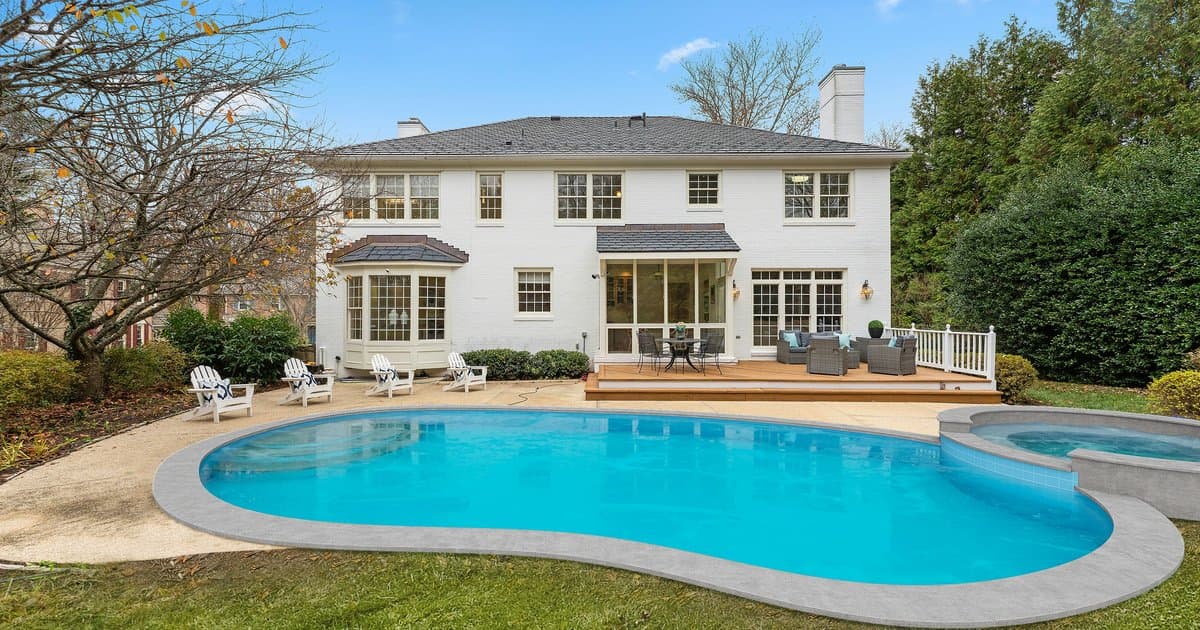
Will adding an ADU or room addition raise your property taxes in Los Angeles?
Under California's Prop 13, only the new construction you add gets reassessed at current market value. Your existing home keeps its low Prop 13 base assessment. So if you build an ADU or add a room to your LA property, you'll pay additional taxes on the new square footage only, while your original structure stays protected.
By Paul Blair | September 17, 2026
One of the most common questions I hear from LA homeowners who are thinking about building an ADU or adding a room is some version of this: "If I do this, will it blow up my property taxes?"
It's a fair concern. In Los Angeles, where a lot of homeowners bought years ago and have a low Prop 13 base, the idea of triggering a full reassessment at today's values is enough to kill a project before it starts. But the fear is based on a misconception, and it's worth clearing up before you make any decisions.
The short answer: building an ADU or room addition does raise your taxes, but not by resetting your entire property's assessed value. Only the new construction portion gets reassessed. Your existing home keeps its Prop 13 protection.
Here's how it works.
Prop 13 protects what you already own
When you bought your Los Angeles home, the assessed value was set at your purchase price. Under Prop 13, that base value can increase by a maximum of 2% per year, regardless of what the market does. If you bought in 2016 for $1.1 million and your home is now worth $2.3 million, you're still being taxed on something closer to $1.3 million.
That's the protection. And it doesn't go away when you build an addition.
How partial reassessment works
California law allows the assessor to reassess only the portion of a property that is "newly constructed." Everything else stays at its existing base value.
So if you build a 600-square-foot ADU on your property, the assessor will determine the market value of that ADU as a standalone piece of new construction. That value gets added to your existing assessed value. Your original home's base never changes.
The result is a blended total. You end up paying taxes on your original assessed value, still growing at 2% per year, plus the newly assessed value of whatever you built.
What triggers reassessment
Any permitted new construction that adds new square footage or a new structure to your property will trigger a partial reassessment. That includes:
- Detached ADUs (accessory dwelling units)
- Attached ADUs connected to the main house
- Junior ADUs converted from existing interior space (though these are sometimes treated differently)
- Garage conversions to living space
- Room additions
- New detached structures (guesthouses, pool houses)
- Major structural expansions where new walls and foundations are added
The key phrase is "new construction." If it's new square footage or a new structure with a foundation, it's going to show up on your supplemental assessment.
What does not trigger reassessment
Not every renovation triggers a reassessment. Work that is purely cosmetic or that restores existing conditions without adding square footage typically does not.
That means kitchen remodels, bathroom updates, new flooring, roof replacements, HVAC systems, and window replacements generally do not change your assessed value. The assessor's standard is whether the work adds new square footage or a new structure, or whether it constitutes a reconstruction rather than a repair.
If your renovation involves tearing down walls and rebuilding them, adding a second story, or expanding the building footprint, that's where the lines get blurry. In those situations, it's worth reaching out to the LA County Assessor's office before you start to understand how your specific project will be treated.
How the assessor finds out
A lot of homeowners assume they can fly under the radar. They can't.
When you pull a permit in the City of Los Angeles or unincorporated LA County, that permit information flows directly to the LA County Assessor's office at final inspection. The assessor's office receives permit data from Building and Safety on a regular basis and uses it to identify properties with new construction.
Beyond permit data, the assessor also uses aerial photography and satellite imagery to identify construction that never received a permit at all. This is not a hypothetical. Unpermitted additions are discovered regularly, sometimes years after the work was done.
Running the numbers
Here's a real-world example to put this in perspective.
Say you bought your Studio City home in 2018 for $1.2 million. By 2026, your assessed value has grown at 2% annually for eight years, putting it around $1.4 million. At LA County's blended effective rate of approximately 1.25%, you're paying roughly $17,500 per year in property taxes.
Now you build a 700-square-foot ADU that the assessor values as new construction at $400,000. That $400,000 gets added to your assessed base, and you now pay an additional $5,000 per year on top of your existing bill. Your total property tax goes from $17,500 to about $22,500.
That's real money. But it's not the catastrophic doubling that some homeowners fear. The ADU could rent for $2,500 to $3,500 per month in Studio City. The math generally still works.
The supplemental assessment bill
There's one more thing that catches homeowners off guard: the supplemental assessment.
When your ADU or addition is completed and the assessor assigns it a value, you'll receive a one-time supplemental tax bill. This bill covers the increase in your assessed value for the remainder of the current fiscal year (July 1 through June 30). If your project wraps up in February, you'll receive a supplemental bill covering roughly five months of the new construction's taxable value.
The supplemental assessment does not recur. After that initial bill, the new value is simply folded into your regular annual tax bill going forward.
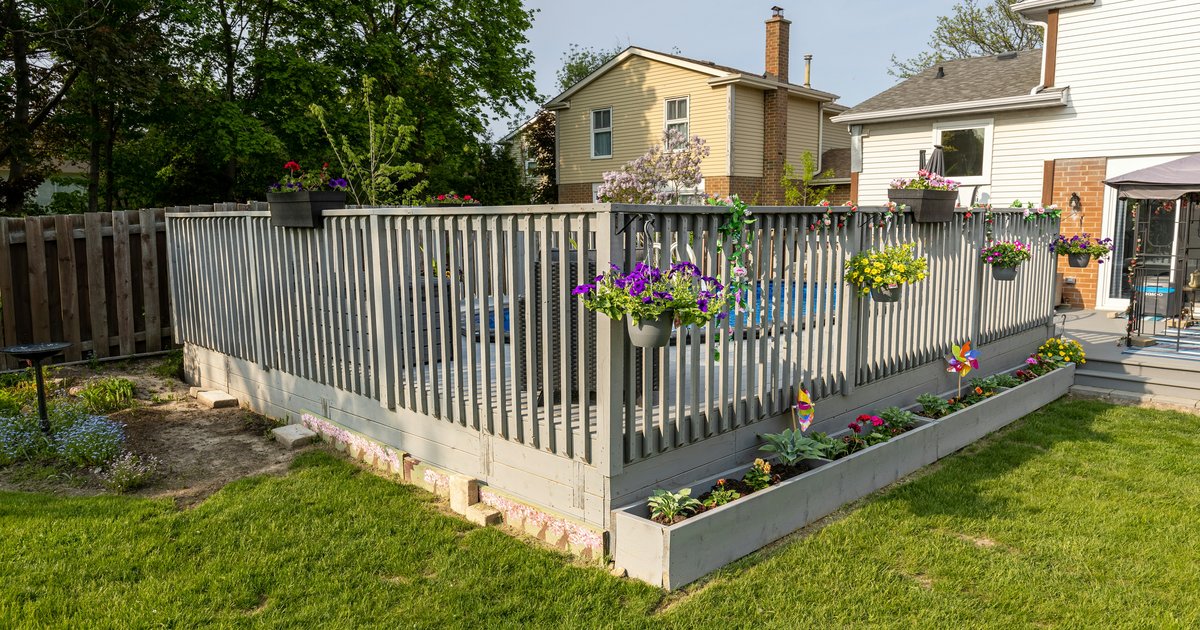
The unpermitted addition problem
Some homeowners, hoping to avoid both the permit fees and the tax reassessment, build without permits. This is a bad idea for several reasons.
First, the assessor may still find it through aerial imagery or neighborhood surveys, and an unpermitted structure can trigger a back-assessment with penalties going back to when the work was completed.
Second, when you go to sell the property, unpermitted square footage creates serious problems. Lenders typically will not allow appraisers to include unpermitted space in the comparable analysis. Title companies will ask about it. Buyers' agents will flag it. What you thought was extra value becomes a liability at closing.
Third, in some fire-zone and hillside areas of Los Angeles, unpermitted structural work can create disclosure and insurance complications that are genuinely difficult to unwind.
Pulling the permit is always the better path.
What to know when you sell
Here's something worth understanding if you plan to sell eventually: Prop 13 protections transfer with ownership only in limited circumstances (Prop 19 portability for certain homeowners buying a replacement property). For most sales, the buyer is fully reassessed at the purchase price.
So the ADU you built and paid partial reassessment on? The buyer will be reassessed on the entire property, including the ADU, at whatever they paid. Your favorable Prop 13 base does not carry over to them. They'll be paying taxes based on today's purchase price, which is one reason LA property taxes on a recent purchase look very different from what a long-term owner pays.
This is worth understanding if you're thinking about pricing your home. Buyers in LA are increasingly running the property tax math before they make an offer, especially on properties with ADUs. For more on how property taxes work from a buyer's perspective, see our post on how property taxes work for LA buyers.
Frequently Asked Questions
Does building an ADU trigger a full Prop 13 reassessment in California?
No. California's partial reassessment rule means only the new construction is assessed at current market value. Your existing home retains its Prop 13 base, and your overall assessed value is the sum of the two: original base plus new construction value.
How does the LA County Assessor know I built an addition?
Permit data flows automatically from the City of LA Department of Building and Safety and county building departments to the LA County Assessor's office when a final inspection is completed. The assessor also uses aerial photography and satellite imagery to identify unpermitted construction, so going without a permit does not guarantee you'll avoid reassessment.
What is a supplemental property tax assessment?
A supplemental assessment is a one-time tax bill that covers the increase in your assessed value from the date your new construction is completed through the end of the current fiscal year (June 30). It captures the additional taxes due before your regular annual bill reflects the new value. It does not recur in subsequent years.
How much will my taxes increase if I add a 1,000-square-foot ADU in Los Angeles?
It depends on what the assessor values the new construction at, but as a rough estimate: if your ADU is valued at $500,000, you'd pay approximately $6,250 per year more in property taxes at LA's blended effective rate of about 1.25%. A smaller, more modest ADU valued at $300,000 would add roughly $3,750 per year. These are additions to your existing bill, not replacements.
Will a major kitchen or bathroom remodel trigger a Prop 13 reassessment?
Generally no, as long as the remodel doesn't add new square footage or constitute a full reconstruction. Replacing cabinets, updating fixtures, installing new flooring, and upgrading appliances typically do not change your assessed value. If you're tearing out walls and significantly expanding the kitchen's footprint, you may want to check with the assessor before starting.
Adding an ADU or a room to your LA home will increase your property taxes. But it won't reset the Prop 13 protection on the home you already own. Understanding the difference between a partial reassessment and a full one changes the math on a lot of projects that homeowners have been putting off.
If you're working through the numbers on a property addition and want to think through how it fits into your overall financial picture, I'm happy to walk through it with you. You can also get a current value estimate on your home to see where you stand before you start planning. And for any questions about buying, selling, or the LA market, reach out anytime.
About Paul Blair
Paul Blair is the founder and broker of Grey Square, a virtual real estate brokerage representing buyers and sellers across Dallas and Los Angeles. With 22 years in the business and more than $200 million in closed transactions, Paul works the full range of the market, from luxury homes in the Park Cities and Preston Hollow to estates in the Hollywood Hills and across the Westside. Connect with Paul and the Grey Square team at greysq.com. TX TREC #9011505 · CA DRE #01792671.