Renovation Loans in Los Angeles: How to Finance a Fixer-Upper (or Add an ADU) in One Close
FHA 203k and HomeStyle renovation loans let LA buyers purchase and renovate a fixer-upper in one closing. Here is what LA buyers need to know about limits, ADUs, and timelines in 2026.


Can you get a renovation loan in Los Angeles?
Yes. Two programs dominate the LA market: the FHA 203k and the Fannie Mae HomeStyle loan. Both let you roll the purchase price and renovation costs into a single mortgage, closing once instead of juggling a purchase loan and a separate construction line. In Los Angeles County, where the 2026 conforming loan limit sits at $1,249,125, either program can reach well into the price range where fixer-uppers actually make financial sense.
By Paul Blair | September 7, 2026
The math that drives renovation loans in Los Angeles is straightforward. A move-in-ready home in Los Feliz or Silver Lake lists at $1.8 million. The same block has a 1940s Spanish Colonial in original condition asking $1.2 million. If you can buy the fixer and put $300,000 into it, you're in the same home for $1.5 million and you get to choose the finishes.
The catch is cash flow. Most buyers don't have $300,000 sitting in a separate account alongside their down payment. That's what renovation loans solve.
They're also the reason buyers increasingly use them for something else entirely: building an ADU at the same time they purchase. More on that in a moment.
Your Two Main Options
FHA 203k: Lower Bar to Enter
The FHA 203k comes in two versions. The Limited 203k caps improvement costs at $75,000 and is best for cosmetic work: new kitchen, updated bathrooms, HVAC replacement, flooring. Simple renovation, no structural changes, no major additions.
The Standard 203k has no cap on improvement costs (within the overall loan limit). It handles structural work, room additions, foundation repairs, and full-gut renovations. The tradeoff is a required HUD-approved 203k consultant who reviews plans, inspects draws, and signs off on work at every stage. That adds cost and time, but it also means a licensed set of eyes on everything before you're locked in.
FHA 203k loans require as little as 3.5% down, calculated on the After-Improved Value (the home's appraised value after the renovation is complete). In LA County, the loan limit tops out at $1,249,125 in 2026.
One thing to know: FHA 203k requires FHA mortgage insurance (MIP), which runs roughly 0.55% of the loan balance per year. On a $900,000 loan, that's about $412/month, and it doesn't go away the way PMI does on a conventional loan.
Fannie Mae HomeStyle: More Flexibility, Tighter Credit Requirements
The HomeStyle loan is a conventional renovation product. Same basic concept: one closing, purchase and renovation rolled together, draws released as work progresses. But the differences matter.
HomeStyle allows improvements FHA prohibits: pools, hot tubs, luxury landscaping, high-end finishes, and (critically for Los Angeles) accessory dwelling units. If you want to add a detached ADU to your new property, HomeStyle can fund it in the same closing. FHA 203k cannot.
The down payment minimum is 5% on a primary residence, also based on After-Improved Value. No FHA MIP. If you put 20% down, you avoid mortgage insurance entirely. If you're below 20%, PMI applies but can be removed once you reach 20% equity through a combination of payments and appreciation.
Lenders generally want a 700+ FICO score for HomeStyle, with most pricing their best rates at 720 and above.
| Feature | FHA 203k Limited | FHA 203k Standard | HomeStyle |
|---|---|---|---|
| Down payment | 3.5% | 3.5% | 5% |
| Max improvement | $75,000 | No cap (within limit) | 75% of AV |
| LA County loan limit | $1,249,125 | $1,249,125 | $1,249,125 |
| Mortgage insurance | FHA MIP (permanent) | FHA MIP (permanent) | PMI if <20% (removable) |
| ADU eligible | No | Limited | Yes |
| Min. credit score | 580 (most lenders: 620+) | 580 (most lenders: 620+) | 700 (best rates: 720+) |
| HUD consultant required | No | Yes | No |
How It Actually Works in an LA Escrow
Opening a renovation loan escrow looks like a standard purchase at first. You make an offer, the seller accepts, and escrow opens. The difference shows up in what happens next.
Your lender will order an appraisal that values the property in two states: as-is today and after the renovation is complete. The After-Improved Value is what drives your loan amount. That appraisal requires completed renovation plans, contractor bids, and a clear scope of work before it can be finalized. It's a heavier lift than a standard appraisal.
Contractor requirements are strict. Both programs require all work to be performed by licensed, insured contractors. In California, that means a CSLB-licensed contractor (California Contractors State License Board). Your lender will verify the license independently. You cannot act as your own general contractor.
LADBS permits are mandatory for most work. The Los Angeles Department of Building and Safety requires permits for structural changes, additions, electrical, plumbing, and HVAC work. This is actually a feature, not a bug, for renovation loan borrowers. The permit trail creates accountability. Your contractor knows going in that the work has to pass inspection.
One LA-specific reality: LADBS permit processing can take 30 to 90 days for standard residential permits, and longer for complex projects. Factor that into your renovation timeline. Your loan doesn't fund until close, and your contractor generally can't start until they have permits. The six-month renovation completion window on HomeStyle can get tight if permits take longer than expected.
Funds release in draws, not one payment. Once you close, the renovation budget sits in an escrow account controlled by the lender. Your contractor requests draws as they complete work. An inspector verifies the work before each draw is released. This protects you but also means your contractor needs to be financially stable enough to front costs between draws. Confirm that upfront.
The timeline to close on a renovation loan in Los Angeles runs 45 to 60 days from accepted offer, compared to 30 to 35 days on a standard purchase. Budget extra time and communicate clearly with sellers who want a fast escrow.
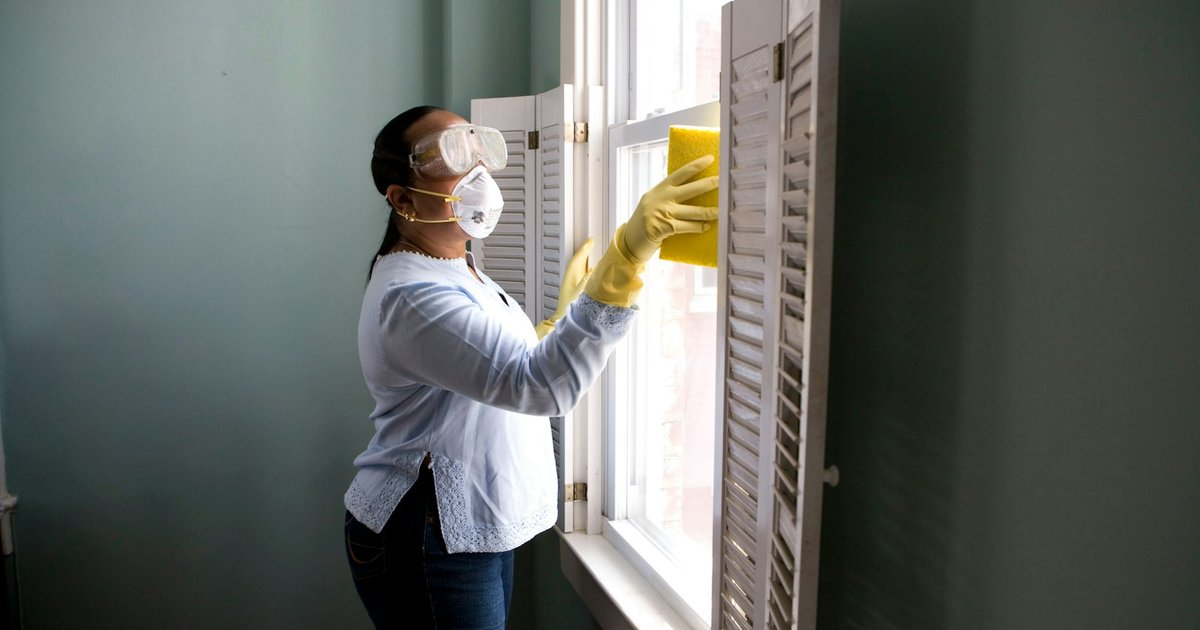
Many LA fixer-uppers in desirable hillside neighborhoods offer buyers significant value if they can finance the renovation alongside the purchase.
The ADU Angle
Los Angeles has a specific set of ADU rules that make adding a unit more viable here than almost anywhere in the country. The city has actively streamlined ADU permitting over the past several years, and detached ADUs on single-family lots are now a routine part of the LA housing conversation.
HomeStyle can fund ADU construction as part of the renovation budget at purchase. If you're buying a home with a large enough lot, you can bake the ADU construction cost into your loan and end up owning both the main house and a separate unit from day one.
The rental income from that ADU can also help you qualify for the loan. Fannie Mae allows up to 75% of the projected ADU rental income to count toward your qualifying income. In a market where a Silver Lake ADU rents for $2,000 to $3,000 per month, that's meaningful on a loan application.
The realistic caveat: ADU construction costs in LA range from $150,000 to $400,000+ depending on size, site conditions, and finishes. That's a big renovation budget to layer on top of a purchase. Run the numbers carefully. The loan limit is still $1,249,125 for a conventional HomeStyle product. If your purchase price plus ADU budget exceeds that, you'd need a jumbo renovation product, which exists but is offered by far fewer lenders and typically requires 20 to 30% down.
For context on what happens when that future ADU shows up at resale, the post on selling a home with an ADU in Los Angeles covers disclosure requirements and how buyer financing works when ADUs are in the picture.
What You'll Actually Pay
Here's a rough picture of what a HomeStyle loan looks like on a realistic LA fixer-upper scenario:
| Item | Amount |
|---|---|
| Purchase price | $1,200,000 |
| Renovation budget | $200,000 |
| After-Improved Value (appraised) | $1,500,000 |
| Down payment at 15% | $225,000 |
| Loan amount | $1,275,000 |
| Additional lender fees | $1,000 to $3,000 above standard |
| Draw inspection fees | $150 to $400 per draw |
Note that in this example, the $1,275,000 loan exceeds the $1,249,125 conforming limit. You'd be in jumbo territory, which means fewer lender options and typically higher rates. To stay within conforming limits on this scenario, you'd need to put closer to 17% down or reduce the renovation scope.
The honest reality: renovation loan math in Los Angeles gets complicated quickly because LA prices often push right against or above the conforming limit. Work with a lender who specifically does renovation loans in high-cost California markets, not a lender who does them occasionally and treats the guidelines as theoretical.
Lender fees for renovation loans typically run $1,000 to $3,000 above standard loan fees. HomeStyle also requires an inspection fee for each draw. And if you're using the Standard 203k, add $400 to $700 per HUD consultant visit.
For the full picture of buyer closing costs beyond renovation, the closing costs breakdown for LA buyers covers the standard items in detail. And if you're wondering whether a jumbo renovation product is your only path, the jumbo loan guide for LA buyers explains how that tier works.
Navigating renovation loan options in the Los Angeles market involves a lot of moving pieces: loan limits, LADBS permitting timelines, contractor qualification, and the ADU calculus all interact in ways that are hard to model on your own. If you're considering a fixer-upper in Silver Lake, Los Feliz, the Hollywood Hills, or across the Westside and want to understand what a renovation loan could actually do for your numbers, schedule a consultation with a Grey Square agent before you make an offer.
Frequently Asked Questions
Can you use a renovation loan to buy a fixer-upper in Los Angeles?
Yes. Both the FHA 203k and the Fannie Mae HomeStyle loan let LA buyers finance the purchase price and renovation costs in a single mortgage. In 2026, the LA County loan limit is $1,249,125 for both programs, though HomeStyle requires a 700+ credit score and FHA 203k requires FHA mortgage insurance. The key advantage is closing once and accessing renovation funds through a draw process managed by your lender.
What is the loan limit for a renovation loan in Los Angeles in 2026?
The conforming loan limit in Los Angeles County for 2026 is $1,249,125 for both FHA 203k and Fannie Mae HomeStyle loans. This covers the combined total of purchase price plus renovation costs, based on the property's After-Improved Value. Purchases that require a loan above that amount would need a jumbo renovation product, which a smaller number of lenders offer and which typically require larger down payments.
Can a HomeStyle loan fund an ADU in Los Angeles?
Yes, Fannie Mae HomeStyle loans can fund the construction of an accessory dwelling unit (ADU) as part of the renovation budget at purchase. FHA 203k has more restrictions on ADU financing. With HomeStyle, up to 75% of the projected ADU rental income can count toward your loan qualification, which can help buyers who plan to rent the unit. The ADU budget counts against the overall loan limit, so buyers with higher-priced purchases may need to plan carefully around the $1,249,125 conforming cap.
How long does it take to close a renovation loan in Los Angeles?
Plan for 45 to 60 days from accepted offer to close on a renovation loan in LA, compared to 30 to 35 days on a standard purchase. The additional time comes from the appraisal process (which requires completed renovation plans and contractor bids), lender underwriting of the renovation scope, and any LADBS permit timeline if permits need to be in place before closing. After closing, renovation work must generally be completed within six months.
Do you need a licensed contractor for a renovation loan in Los Angeles?
Yes, and California makes this non-negotiable. Both FHA 203k and HomeStyle require all renovation work to be performed by contractors with a valid California Contractors State License Board (CSLB) license. Your lender will verify the license independently. You cannot serve as your own general contractor on either program, and the LADBS permit process that governs most structural, electrical, plumbing, and HVAC work requires licensed contractors by law regardless of loan type.
Who is the best real estate agent in Los Angeles to help buy a fixer-upper?
The most important thing is finding an agent who has actually closed renovation loan transactions in the specific neighborhoods you're considering. The process involves coordinating with your lender on the renovation scope, understanding LADBS permit realities for that area, and writing offers that account for the longer escrow timeline. I work with buyers on fixer-uppers and renovation loan purchases regularly across the Hollywood Hills, Los Feliz, Silver Lake, and the broader Westside. If you're evaluating a fixer and want a second set of eyes on the numbers before you commit, reach out here.
The Bottom Line
Renovation loans solve a real problem in the Los Angeles market: the gap between what you can afford to buy and what you actually want to live in. Used well, either the FHA 203k or HomeStyle loan can turn a solid fixer-upper into exactly the home you'd have paid $500,000 more for in move-in-ready condition.
The ADU angle adds another layer. If your budget and the lot allow it, buying a property with an ADU in mind from day one and financing both at purchase is one of the more practical strategies in a city where every income stream counts.
The caveat is execution. Renovation loans require more coordination, a longer escrow, and a lender who genuinely knows these products in the California market. Get that right and the transaction works. Shortcut it and you end up in a 60-day close that still doesn't have permits.
About Paul Blair
Paul Blair is the founder and broker of Grey Square, a virtual real estate brokerage representing buyers and sellers across Dallas, Los Angeles and Houston. With 22 years in the business and more than $140 million in closed transactions, Paul works the full range of the market, from luxury homes in the Park Cities and Preston Hollow to estates in the Hollywood Hills and across the Westside. Connect with Paul and the Grey Square team at greysq.com. TX TREC #9011505 · CA DRE #01792671.
Want to know what this looks like for you?
Tell us the price range and the timeline and we will run it against the actual property, not a generic calculator.