Selling a Home with an ADU in Los Angeles: Permits, Disclosures, and Buyer Financing
Selling an LA home with an ADU or JADU? Here's what California requires you to disclose, how permits affect your buyer pool, and when AB 2533 amnesty helps.
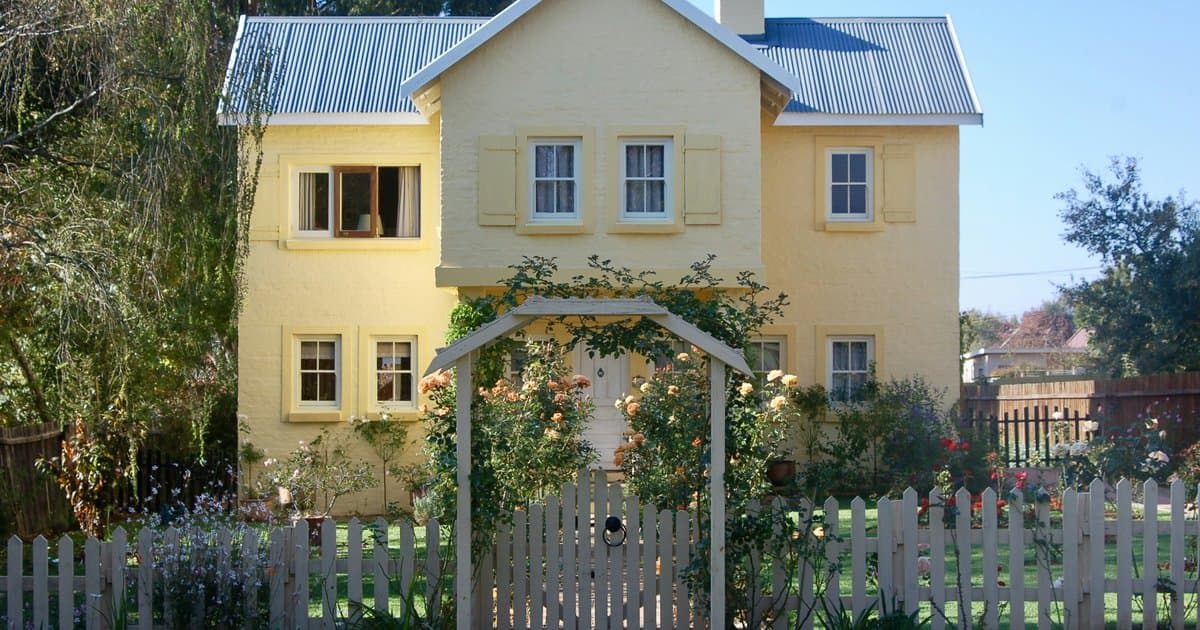
Los Angeles permitted more than 10,000 new ADU units in the city alone in 2023. Thousands more were built over the years without permits. Right now, many of those homeowners are getting ready to list.
The question comes up in almost every pre-listing conversation when an ADU is involved: does the permit status actually matter?
It matters more than most sellers expect. Here is what you need to know before you list.
What you're working with: ADU, JADU, and the permit question
An accessory dwelling unit (ADU) is a secondary residential unit on the same lot as your primary home. It can be a detached backyard cottage, a garage conversion, an attached addition with its own entrance, or a basement unit. A junior accessory dwelling unit (JADU) is a smaller conversion of interior space within the existing home, typically an attached garage or bedroom suite, capped at 500 square feet.
The permit question is binary for the purposes of your sale: either the unit has a valid permit and final certificate of occupancy from the Los Angeles Department of Building and Safety (LADBS), or it doesn't.
If it has permits, it counts toward your home's appraised square footage and appraised value. The full buyer pool is available to you. Under updated FHA guidelines, rental income from a permitted ADU can count toward a buyer's qualifying income at up to 75% of the projected rental.
If it doesn't have permits, none of those things are true, and California law requires you to disclose it.
California requires full disclosure. No exceptions.
California Civil Code Section 1102 requires sellers to disclose all known material facts about a property. An unpermitted ADU or JADU is a material fact.
The Transfer Disclosure Statement (TDS) and the Seller Property Questionnaire (SPQ) both have sections covering additions and alterations to the property and whether they were completed with permits. If you know the unit was built without permits, you note it. Omitting it when you know about it opens you up to a fraud claim after closing.
This surfaces more often than sellers expect. An inspector walks through the property and sees a full kitchen in what the county assessor records show as a garage. At that point, the buyer has documentation of an unpermitted unit that wasn't disclosed, and the conversation shifts from price negotiation to potential legal exposure.
Disclosing upfront lets you control the narrative and price accordingly, rather than having it surface in the middle of escrow.
Related: The Repair Request in a California Home Sale, how disclosure-driven repairs get negotiated once you're in escrow.
How Permit Status Affects Your Buyer Pool and Financing
This is where the practical stakes become concrete.
Permitted ADU: Your home is available to every buyer type. Conventional, FHA, VA, jumbo, and cash buyers can all purchase without restriction. The appraiser counts the ADU's square footage in gross living area. If the unit is already rented or rentable, up to 75% of the projected rental income can be added to a buyer's qualifying income under FHA guidelines, which expands the price range your home is accessible to.
Unpermitted ADU: FHA lenders will not include unpermitted square footage in the appraised value. Most VA lenders follow the same rule. Conventional lenders (Fannie Mae and Freddie Mac) have more flexibility, but many condition the loan on the unpermitted work being remediated before close, which can derail a transaction in the final stretch of escrow.
In practice, an unpermitted ADU means your realistic buyer pool is cash buyers and investors, or buyers using conventional financing with a lender willing to proceed subject to full disclosures. That is a smaller pool. A smaller pool typically means more time on market, a lower price, or both.
A well-designed, legally permitted ADU in an LA neighborhood adds real value, often $100,000 or more over an otherwise similar property. An unpermitted unit that is physically identical often adds far less, and the discount buyers demand is not always predictable or consistent with what you'd expect.
For sellers already navigating complex financials at close, see What LA Sellers Pay at Closing, understanding your net sheet is especially important when the ADU question affects both your buyer pool and your appraised value.
The AB 2533 Amnesty Path (Effective January 2025)
If your ADU or JADU was built before January 1, 2020 and it doesn't have permits, California created a cleaner legalization path than most sellers realize.
Assembly Bill 2533, effective January 1, 2025, requires cities and counties across California to approve legalization permits for pre-2020 unpermitted ADUs and JADUs, as long as the unit meets basic health and safety standards under California Health and Safety Code Section 17920.3. The city cannot deny the permit solely because the unit was built without permits or because it violates pre-existing zoning requirements.
In Los Angeles, this process runs through LADBS. An inspector evaluates the unit. You receive a list of required corrections, which typically covers items like smoke and carbon monoxide detectors, fire blocking, egress windows, electrical panel capacity, and in some cases insulation and ventilation. You complete the work. The city issues a final permit.
Total costs for legalization through AB 2533 in LA typically fall between $10,000 and $70,000 or more, depending on the physical condition of the unit and what work is required. The LADBS application fee runs in the range of $570 to $800. Timeline is usually 2 to 6 months.
Whether the math works depends on three things: what legalization will cost for your specific unit, how much a permitted unit adds to your sale price, and how much time you have before you want to list. If legalization costs $25,000 and a permitted ADU adds $120,000 to your appraised value and opens your buyer pool from cash-only to the full market, the path is clear. If the unit needs $80,000 in structural work, the decision is less obvious.
One thing to know: the City of LA also operates a separate Unpermitted Dwelling Unit (UDU) Ordinance, which is distinct from the AB 2533 amnesty process. The UDU program requires an affordability covenant restricting rent below market. AB 2533 legalization does not require a covenant. If you want to sell or rent at market rate, AB 2533 is the applicable path.
One thing you can't do yet: sell the ADU separately
California's AB 1033 allows individual cities to permit ADU condominiumization and separate sale by adopting a local ordinance. As of August 2026, the City of Los Angeles has not adopted an AB 1033 ordinance. You cannot sell your ADU as a separate condo or parcel within city limits.
Santa Monica has adopted its own AB 1033 ordinance, so properties there operate under different rules. If your property is in the City of LA, the ADU and the main house sell together as one lot.
Also worth noting for sellers whose property is held in a living trust: trust-held properties follow the same TDS and SPQ disclosure requirements as individually-owned properties. The successor trustee must disclose the ADU's permit status with the same level of detail as any other seller would. If you're working through a trust sale in California, the ADU question doesn't go away because title is held in a trust.
Thinking about how your ADU's permit status will affect your sale price and buyer pool before you list? Grey Square works with sellers across the Westside, Hollywood Hills, and greater Los Angeles on exactly this kind of pre-listing analysis. Request a confidential valuation and we will run the numbers specific to your property.
Frequently Asked Questions
Does a permitted ADU add to my home's appraised value in Los Angeles?
Yes. A permitted ADU's square footage is included in gross living area for the appraisal, and many appraisers apply an income approach when valuing a property with a rentable unit. In Los Angeles, a legally permitted ADU typically adds $75,000 to $150,000 or more compared to an otherwise similar property without one, though the actual impact depends on the quality, size, and condition of the unit and comparable sales in the neighborhood.
Do I have to disclose an unpermitted ADU when selling my home in California?
Yes. California Civil Code Section 1102 requires sellers to disclose all known material facts, and an unpermitted addition is a material fact. The TDS and SPQ both have sections for noting unpermitted work. Omitting it when you know about it exposes you to fraud claims after closing. Disclosure is required regardless of whether you plan to legalize before listing or sell as-is.
Can FHA or VA buyers purchase a home with an unpermitted ADU in Los Angeles?
Generally, no. FHA lenders do not count unpermitted square footage in the appraised value and frequently require remediation as a loan condition before close. Most VA lenders follow the same guidelines. For homes with unpermitted ADUs, cash buyers and investors are your most receptive audience. Conventional buyers may be possible if a lender is willing to proceed subject to full disclosure, but that is not guaranteed and varies by lender and underwriter.
What is AB 2533 and how does it help Los Angeles sellers?
AB 2533, effective January 1, 2025, requires California cities including Los Angeles to approve legalization permits for ADUs and JADUs built before January 1, 2020, as long as the unit meets basic health and safety standards under California Health and Safety Code Section 17920.3. LADBS accepts AB 2533 applications. The process involves an inspection, a required corrections list, contractor work, and a final permit. Total costs typically range from $10,000 to $70,000 or more depending on the unit's condition. For many sellers, legalizing before listing adds more value than it costs, but the math is specific to each property.
Can I sell my ADU as a separate condo or parcel in Los Angeles?
Not as of August 2026. California's AB 1033 allows cities to adopt local ordinances permitting ADU condominiumization, but the City of Los Angeles has not adopted such an ordinance. The ADU and main house must be sold together as one lot. If your property is in Santa Monica or another jurisdiction that has adopted AB 1033, the analysis is different, check with a local real estate attorney.
Who should I call when selling an LA home with an ADU?
Work with an agent who understands both how LADBS handles permit verification and how appraisers and lenders in LA treat unpermitted versus permitted ADUs. That gap in knowledge can translate directly into money on your net sheet. Paul Blair at Grey Square works with sellers across the Westside, Hollywood Hills, and the greater LA market on properties that involve exactly these situations. Reach out here for a consultation before you list.
If you're preparing to sell an LA home with an ADU or JADU and want to understand how the permit question affects your asking price, buyer pool, and net proceeds, request a confidential valuation at Grey Square. We work with sellers in Hollywood Hills, Beverly Hills, Bel Air, Brentwood, and across the Westside.
For more on the disclosure requirements that come up most often in LA home sales, see Wildfire Disclosures When Selling an LA Home, Solar Panels and Selling Your LA Home, and Selling a Home with an HOA in Los Angeles.
About Paul Blair
Paul Blair is the founder and broker of Grey Square, a virtual real estate brokerage representing buyers and sellers in Dallas and Los Angeles. With more than two decades in the business and over $200 million in closed transactions, Paul works across the full range of both markets, from luxury estates in the Hollywood Hills and across the Westside to primary residences and investment properties throughout greater LA. CA DRE #01792671 | TX TREC #9011505 | greysq.com