Solar Panels and Selling Your LA Home: Lease, Loan, or Owned
Selling an LA home with solar? Owned, leased, and PACE-financed systems each affect your closing differently. Here's what California sellers must know.
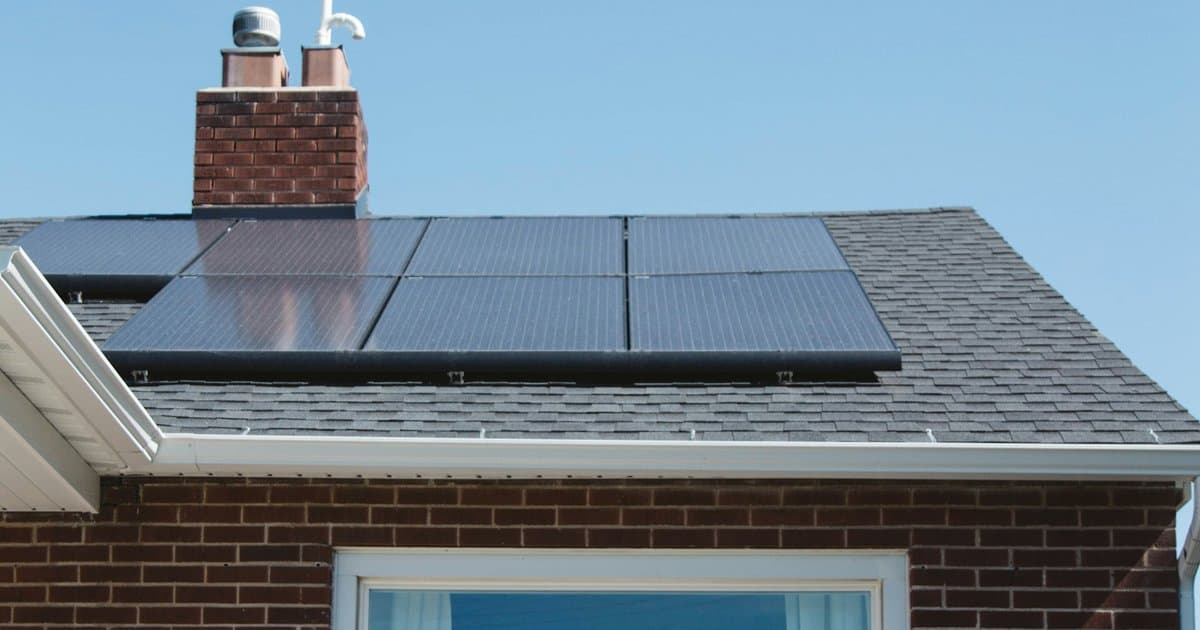
What happens when you sell a home with solar panels in Los Angeles?
How your solar is financed shapes the entire closing process. Owned systems transfer with the home and typically add resale value. Solar loans come with a UCC-1 fixture filing that appears in the title report and must be resolved before close. Leased systems require the buyer to qualify for and assume the contract, or the seller to pay a buyout ranging from $8,000 to $35,000. PACE financing (Property Assessed Clean Energy) transfers automatically with the property title, whether the buyer knows it or not. California law requires sellers to disclose their solar financing type on the Transfer Disclosure Statement, and getting this wrong creates title and escrow problems that can delay or unwind a sale.
By Paul Blair | August 8, 2026
Here's a question I hear from sellers more often than you'd think: "My solar panels aren't a problem, right?"
Usually the answer is yes. But the answer depends on something most sellers don't know offhand: how the panels were paid for.
In Los Angeles, solar panels have become the norm. California has required solar on new residential construction since 2020 under Title 24 of the California Building Standards Code. Add in the state's incentive history and the region's high utility bills, and you'll find solar systems on homes across every price band, from Silver Lake bungalows to Hollywood Hills estates.
The panels aren't the issue. The financing is.
Owned solar, solar loans, solar leases, power purchase agreements, and PACE loans each create a different set of obligations at the time of sale. Each one affects your buyer pool, your timeline, and your closing costs in ways that can surprise you if you aren't prepared.
Here's what you need to know before you list.
Step One: Know What You Have
Pull out your paperwork. If you can't find it, call your utility company or check your property tax bill. You're looking for which of these applies:
- Owned and paid off. You bought the system outright, or you've paid off a solar loan. The panels are yours, free and clear.
- Solar loan (still outstanding). You financed the panels through a lender, and a balance remains.
- Solar lease or PPA (power purchase agreement). A solar company owns the panels on your roof. You're paying them monthly for power or lease payments.
- PACE financing. You financed energy improvements through a Property Assessed Clean Energy program, and the balance appears as a special assessment on your property tax bill.
Each one has a different path to closing.
Owned Solar: The Clean Handoff
If the system is paid off and you own it outright, this is the easiest scenario.
Owned panels transfer with the property as a fixture, much like the roof or the HVAC system. California research consistently shows owned solar adds roughly 3-5% to a home's appraised value, depending on system size, age, and condition. That premium holds across Los Angeles markets, including the Westside and the Hollywood Hills.
The system will show up in the home inspection. Have documentation ready: the original installation permit, any transferable manufacturer warranty, and your current net metering agreement with your utility.
Solar Loans: The Lien in the Title Report
If you financed the panels and still have a balance, the solar lender filed a UCC-1 fixture filing against the property when the system was installed. That filing appears in the preliminary title report during escrow.
A UCC-1 isn't a traditional mortgage lien, but it does represent a security interest in the solar system. Most buyers' lenders and title companies will require the filing be cleared before close.
Your options: pay off the solar loan balance from escrow proceeds, or refinance it separately before listing. Either way, plan for it before you go into contract. If your system is financed through Sunrun, Tesla Energy, or SunPower, contact them early for a current payoff quote.
Leased Solar and PPAs: The Deal-Complicating Scenario
This is where most of the friction happens.
When you lease solar panels or sign a PPA, the solar company owns the equipment on your roof. You pay them monthly, and the contract typically runs 20-25 years. When you sell the home, that contract has to go somewhere.
You have two paths:
Transfer the lease to the buyer. The buyer must qualify for the solar company's transfer requirements (often a credit review), agree to the remaining term and payment schedule, and sign a new agreement. This process takes 7-10 business days. Notify the solar company the moment you accept an offer. If you're targeting a 30-day close, build in extra time now.
The complication: not all buyers can or will take on a solar lease. FHA and VA buyers typically cannot assume solar leases under current federal lending guidelines, which eliminates a meaningful share of the qualified buyer pool depending on your price range and neighborhood. Even conventional buyers who technically can assume the lease may push back on the additional monthly obligation or the remaining term.
Buy out the lease. If the buyer won't assume the contract, you pay the solar company to terminate it early. Buyout costs run from $8,000 to $35,000 depending on the company, the remaining term, and the system size. Get this number before you list so it doesn't show up as a surprise at the negotiating table.
| Solar Type | Appraised Value Impact | Buyer Pool Impact |
|---|---|---|
| Owned (paid off) | +3-5% typically | Full buyer pool |
| Solar loan (outstanding) | No change until resolved | Full pool after payoff |
| Leased/PPA | $0 (no appraised value) | Excludes FHA and VA buyers |
| PACE lien | No change | Excludes most financed buyers until resolved |
PACE Financing: The Lien That Transfers With the Land
PACE loans work differently from everything else on this list.
A PACE loan (sold through programs like HERO, Ygrene, and CalFirst) financed energy improvements, and the balance is repaid through a special assessment added to your property tax bill. When you sell, that assessment doesn't disappear. It attaches to the property and transfers to the buyer automatically.
Most mortgage lenders will not close a loan on a property with an outstanding PACE obligation. Fannie Mae, Freddie Mac, FHA, and VA loan programs all carry restrictions on PACE liens. If your buyer is financing the purchase, you'll typically need to pay off the PACE balance from escrow proceeds before the transaction can close.
Before you list, check your property tax bill for any line items tied to energy improvements or clean energy programs. If you see one, get the current payoff figure from the PACE provider and factor it into your net proceeds calculation.
What California Requires You to Disclose
Under California law, solar financing must be disclosed on your Transfer Disclosure Statement and Seller Property Questionnaire. Both forms ask directly about energy-generation equipment and any associated financing, including leases and PACE obligations.
Failing to disclose what you know about a solar lease, a PACE lien, or an unresolved solar loan balance can expose you to post-sale liability. California Civil Code Section 1102 treats concealment of known material facts as fraud, and "I thought the buyer would figure it out" isn't a defense.
If you inherited the property and genuinely didn't know about a solar obligation, you're not required to disclose what you don't know. But if you've been paying a monthly lease or you can see the PACE assessment on your tax bill, it's a known material fact.
For sellers already gathering disclosure documentation, the wildfire disclosure requirements for LA homes overlap in timing. Reviewing both before you start filling out forms can save a round of revisions with your agent.
Selling a home in the Hollywood Hills, Brentwood, or anywhere on the Westside? Getting the solar situation resolved before you list often prevents mid-escrow renegotiations that cost sellers far more than a buyout would have. Request a confidential valuation at greysq.com/home-value or connect directly at greysq.com/contact.
Timeline: Plan for the Extra Days
Most sellers underestimate how much solar financing adds to the closing timeline. A rough breakdown:
| Solar Type | Typical Timeline Impact | Key Action |
|---|---|---|
| Owned (paid off) | Minimal | Have documentation ready at listing |
| Solar loan | 7-14 days for payoff processing | Get payoff quote before listing |
| Leased/PPA | 7-10 business days for transfer | Notify solar company at offer acceptance |
| PACE lien | 5-7 days for payoff processing | Get payoff figure before listing |
If you have a leased system and you're planning a 30-day escrow, 35 days is a more realistic target. Build the buffer in before you go into contract.
Understanding what LA sellers pay at closing gives you the full picture of your net proceeds. A solar loan payoff, lease buyout, or PACE payoff belongs in that calculation before you agree to any sales price.
If your home has panels on the roof and you're weighing a sale in the next six to twelve months, the solar conversation should happen at the beginning, not mid-escrow. Start with a home valuation at greysq.com/home-value.
Frequently Asked Questions
Do solar panels add value to my home in Los Angeles?
Owned, paid-off solar panels typically add 3-5% to a home's appraised value in the Los Angeles market. System age, condition, and size all factor in. Leased panels contribute zero appraised value under current Fannie Mae and FHA underwriting guidelines, meaning the lender doesn't give buyers additional borrowing capacity on their account.
Can a buyer refuse to assume a solar lease in California?
Yes. A buyer has no obligation to take over a solar lease. If the buyer declines, the seller must either buy out the lease before closing or negotiate a price reduction that accounts for the buyout cost. FHA and VA buyers generally cannot assume solar leases under current federal lending program guidelines, which limits the eligible buyer pool for homes with leased systems.
What is a PACE lien and how does it affect a home sale?
A PACE lien (Property Assessed Clean Energy) is a form of financing for home energy improvements, repaid through a special assessment on the property tax bill. It transfers automatically with the property at closing. Because Fannie Mae, Freddie Mac, FHA, and VA loan programs all carry restrictions on PACE obligations, most financed buyers cannot close on a home with an outstanding PACE lien. Sellers typically pay off the balance from escrow proceeds.
How do I disclose a solar lease on the California Transfer Disclosure Statement?
The California TDS and Seller Property Questionnaire both ask about energy-generation equipment and any financing tied to it. If you have a solar lease or PPA, disclose the solar company's name, the monthly payment amount, the remaining term, and the transfer requirements. Your agent or escrow officer can help you locate the right fields. Concealing a known solar obligation is treated as a material fact misrepresentation under California Civil Code 1102.
How do I find the right agent to help me sell a home with solar in the Hollywood Hills or on the Westside?
The question that matters most is whether the agent asks about your solar situation before you list, not after a buyer's title report does. In the Hollywood Hills, Brentwood, and across the Westside, older solar leases and PACE obligations from energy-upgrade programs are common, and an agent who surfaces them early gives you time to plan rather than react. I cover the solar question in every initial seller consultation because I've seen what happens when it gets discovered mid-escrow. If you have panels on your roof, that's the conversation to start with. Connect with Paul Blair at greysq.com/contact.
Solar on your roof isn't a deal-breaker in any form. But which form you have determines what you need to do and how much time you need to do it. Owned is the cleanest path. Leased and PACE require a plan.
If you're preparing to sell a home with solar in Los Angeles County, I'm happy to walk through your specific situation. Get a home value estimate at greysq.com/home-value or reach out at greysq.com/contact.
About Paul Blair
Paul Blair is the founder and broker of Grey Square, a virtual real estate brokerage representing buyers and sellers across Dallas and Los Angeles. With 22 years in the business and more than $200 million in closed transactions, Paul works the full range of the market, from luxury homes in the Park Cities and Preston Hollow to estates in the Hollywood Hills and across the Westside. Connect with Paul and the Grey Square team at greysq.com. TX TREC #9011505 · CA DRE #01792671.