What Does It Actually Cost to Live in Bel Air in 2026?
Bel Air home prices, its three historic sections, wildfire risk, and how Measure ULA sets it apart from Beverly Hills and Holmby Hills.
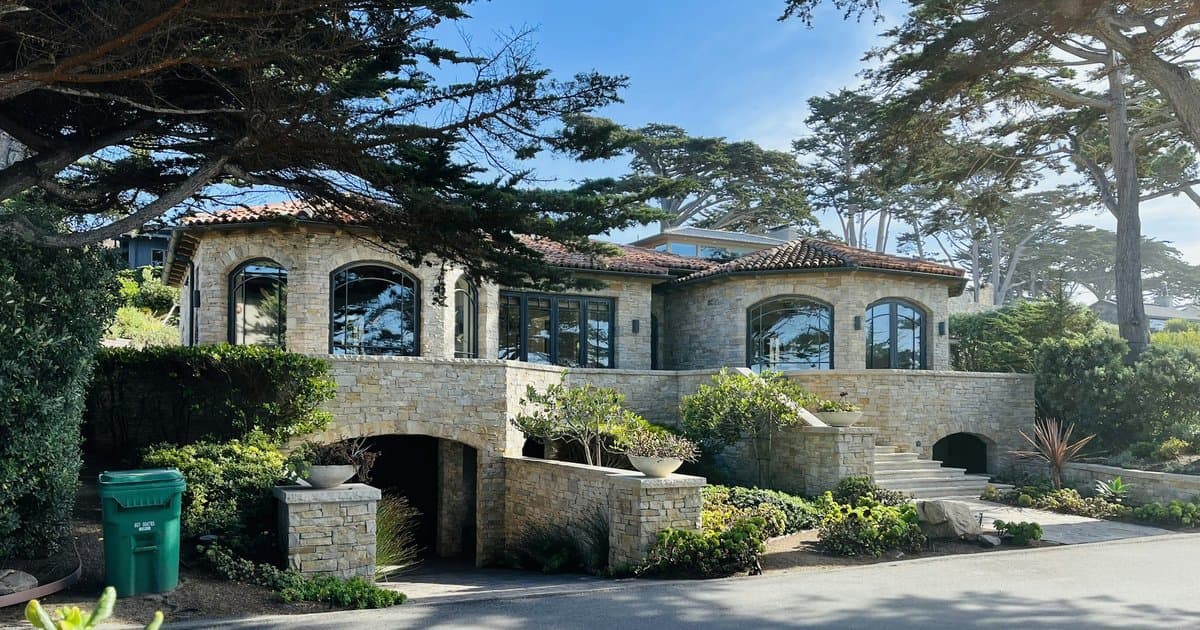
What does it actually cost to live in Bel Air in 2026? The median sale price for a home in Bel Air was $3.25 million as of the most recent Redfin data, down nearly 20 percent from a year earlier, with homes typically selling about 7 percent below list price after roughly 84 days on market (Redfin). That's the transaction-level number. Ask prices tell a different story: Movoto's July 2026 listing data put the median asking price closer to $7.49 million, a gap wide enough that it says something on its own about how Bel Air gets priced versus how it actually trades.
Bel Air isn't one price point or one street. It's a neighborhood built in three distinct pieces, wrapped around a private country club and a reservoir, and it sits entirely inside the city limits of Los Angeles, which matters more than most buyers realize once escrow opens.
Three Bel Airs, not one
Alphonzo Bell founded the community in 1923 after oil money from his Santa Fe Springs property let him buy a ranch off what's now Bel Air Road. He hired landscape architect Mark Daniels to lay out the streets, and his wife chose the Italian names still on the signage today: St. Pierre, St. Cloud, Bellagio, Copa de Oro, Nimes (Wikipedia).
That original tract is what longtime residents call East Gate Old Bel Air, entered off Sunset and Beverly Glen. West Gate Bel Air sits across the neighborhood at Sunset and Bellagio, directly opposite a UCLA entrance. Upper Bel Air climbs into the hills above both, toward Mulholland, with steeper lots and more distance from Sunset traffic. A fourth name gets used interchangeably and shouldn't be: Bel Air Crest is a separate, gated hillside development near the 405 with its own HOA, distinct from the three historic sections. We covered a recent Bel Air Crest sale in an earlier property spotlight, and its pricing and lot patterns don't map cleanly onto Old Bel Air or West Gate.
Together with Beverly Hills and Holmby Hills, Bel Air makes up what's long been called the Platinum Triangle, and older references also group it with Brentwood as "the three Bs" (Wikipedia). The comparison that actually matters for a buyer: Beverly Hills carries its own municipal identity, its own police and fire departments, and a citywide median sale price Redfin put at just over $6.1 million in May 2026, up sharply year over year and skewed by a run of trophy closings (Redfin). Bel Air, by contrast, is unincorporated in name only. It's Los Angeles city, LAPD's West LA station, LAFD Station 71, and full exposure to every city ordinance that applies anywhere else within LA's boundaries.
What the gates are actually protecting
The physical seclusion is real and it's a genuine differentiator, not marketing language. Bel Air's estates sit on some of the largest private lots in the city, screened by hedges, set back from the street, and reached through guarded entries at the East and West Gates. Walk Score rates the broader Bel Air-Beverly Crest area a 14 out of 100, the 85th most walkable neighborhood in Los Angeles, and calls it almost entirely car-dependent (Walk Score). Nobody buys in Bel Air for the walk to a coffee shop. They buy for the acreage, the privacy, and a scale of construction that's hard to find inside the city anywhere else.
That scale shows up in the permit data. The single largest residential construction permit application in Los Angeles for the month of July 2026 was for 944 North Airole Way in Bel Air, where the owner filed for 75,856 square feet of alteration work across 12 separate permits, including roof deck extensions and basement additions (The Real Deal). The property, known as "The One," was purchased by Fashion Nova founder Richard Saghian in 2022. It's an extreme example, but it's not an outlier in kind. Bel Air is where Los Angeles builds at a scale that would draw immediate scrutiny in almost any other neighborhood in the city.
Fire, water, and what a seller has to disclose
Bel Air's hillside terrain and heavy tree canopy are part of what makes it Bel Air, and they're also the reason it carries real fire exposure. Redfin's Fire Factor tool rates 99 percent of Bel Air properties as having some wildfire risk over the next 30 years, a major risk category, and rates flood risk from Stone Canyon and the surrounding drainage as major too, with 21 percent of properties in a severe-risk zone (Redfin). The neighborhood has direct history with fire: a November 1961 blaze destroyed 484 homes in Bel Air, and a smaller 2017 fire started by a homeless encampment burned six more (Wikipedia).
CAL FIRE's revised Fire Hazard Severity Zone maps, issued in March 2025, expanded "very high" hazard designations by roughly 35 percent across Southern California's local jurisdictions, from about 860,000 acres to close to 1.2 million (LAist). We've covered what that means for wildfire disclosure requirements on any LA sale in more detail elsewhere; for Bel Air specifically, check the parcel, not the neighborhood, since hazard tier varies block to block in hillside terrain. Every Bel Air listing needs a Natural Hazard Disclosure and a current read on insurance availability before it goes on the market, not after an offer arrives.
The tax question every Bel Air seller asks
Because Bel Air sits fully within LA city limits, unlike Beverly Hills, Malibu, Santa Monica, or West Hollywood, Measure ULA applies here without exception. Current thresholds, effective for closings after June 30, 2026, are 4 percent on the portion of a sale price between $5.4 million and $10.9 million, and 5.5 percent above $10.9 million (LA Office of Finance). With Bel Air's Movoto-tracked median list price already near $7.49 million, a large share of the neighborhood's active inventory clears the first ULA tier on a straightforward at-list sale, and anything above roughly $11 million clears the second. We've covered the current state of Measure ULA, including the failed repeal push, in a recent post on LA's mansion tax. For Bel Air, that math belongs in a seller's pricing conversation from the start, not as a surprise on the closing statement, and it's a real structural difference from Beverly Hills and Holmby Hills that otherwise look similar from the street.
If you're weighing a purchase in Bel Air against Beverly Hills or Holmby Hills, schedule a private consultation to walk through lot size, gate access, and how each neighborhood's specific tax exposure changes the true cost of ownership.
What it takes to sell here
Inventory moves slowly in Bel Air by design. Estates this large don't turn over the way flats in Westwood or condos in West Hollywood do, and the Redfin data bears that out: 84 to 88 days on market on average, with sellers typically accepting offers roughly 7 percent under list. That gap between what a Bel Air estate is asked and what it closes for is the number a seller needs to internalize before setting a price. Overpricing an already slow-moving product only extends the time it sits, and time on market in a neighborhood this visible tends to invite lower offers, not higher ones.
None of Bel Air's three historic sections draw the same buyer pool. East Gate Old Bel Air, closest to Sunset and Beverly Glen, tends to draw buyers who want proximity to Beverly Hills and Westwood without living in either. West Gate, opposite UCLA, pulls a mix that values the university adjacency alongside privacy. Upper Bel Air, higher into the hills, tends to appeal to buyers prioritizing view and seclusion over walkable distance to the flats. Pricing and marketing a listing without accounting for which of the three it sits in is a common mistake here.
Frequently Asked Questions
What's the difference between Bel Air, Beverly Hills, and Holmby Hills? All three make up the Platinum Triangle, but they're structurally different. Beverly Hills is its own incorporated city, with its own police and fire departments and no exposure to Measure ULA. Bel Air and Holmby Hills are both LA neighborhoods, fully subject to city ordinances including ULA. Bel Air sits in the hills with gated entries and larger, more secluded lots; Holmby Hills sits on flatter land closer to Beverly Hills.
How much does it cost to buy a home in Bel Air right now? Redfin's most recent data puts the median sale price at $3.25 million, reflecting the full range of Bel Air transactions including smaller lots. Movoto's July 2026 listing data shows a median asking price closer to $7.49 million, a more realistic reference for the neighborhood's typical estate-scale inventory. Homes generally sell about 7 percent under list after roughly 84 days on market.
Does Measure ULA apply to homes in Bel Air? Yes, without exception. Any sale between $5.4 million and $10.9 million pays a 4 percent city transfer tax on top of the standard county rate, and any sale at $10.9 million or above pays 5.5 percent. That's different from Beverly Hills, Santa Monica, Malibu, and West Hollywood, all separately incorporated cities where ULA does not apply.
What wildfire and flood disclosures does a Bel Air seller need to make? Every Bel Air property needs a Natural Hazard Disclosure covering fire, flood, and seismic risk, and current data shows most Bel Air parcels carry some wildfire exposure given the hillside terrain and canyon vegetation. Fire Hazard Severity Zone tiers vary by parcel following the 2025 statewide map update, so sellers should confirm their property's current designation rather than assume a neighborhood-wide classification.
Who's the right agent to sell a Bel Air estate? The honest answer has less to do with brand name than with two things: direct transaction experience at this price point and terrain, and current knowledge of how Measure ULA and fire-zone insurance are actually affecting Bel Air negotiations in 2026, not two years ago. Paul Blair has worked luxury transactions across the Hollywood Hills, Bel Air, and the greater Westside for more than 22 years, with over $200 million in closed real estate. If you're considering a sale, request a confidential valuation for your Bel Air home and we can talk through what your section of the neighborhood is actually doing right now.
Paul has spent two decades working the hills above Sunset, and Bel Air's gate structure and wide range of lot types are exactly the kind of detail that gets missed by agents who don't work this stretch of the Westside regularly. Paul Blair is the founder and broker of Grey Square, a virtual real estate brokerage representing buyers and sellers across Dallas and Los Angeles. With 22 years in the business and more than $200 million in closed transactions, Paul works the full range of the market, from luxury homes in the Park Cities and Preston Hollow to estates in the Hollywood Hills and across the Westside. Connect with Paul and the Grey Square team at greysq.com. TX TREC #9011505 · CA DRE #01792671.
For more on the broader Los Angeles luxury market, browse current listings across Los Angeles, or read our related posts on Measure ULA, wildfire disclosure requirements, and the neighboring Westwood market.