New Construction vs. Resale in Dallas: The 2026 Buyer's Guide
DFW resale homes close in 30 days with a negotiable price. New construction offers rate buydowns but adds MUD taxes and a builder lender trap. Here's how to choose in 2026.
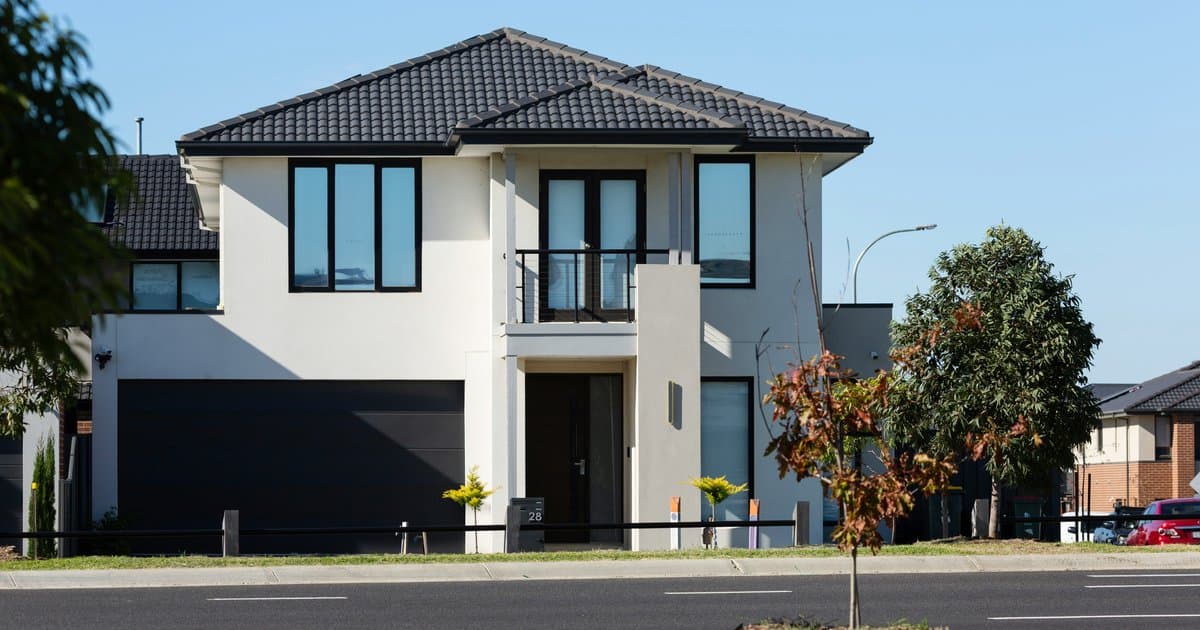
Should you buy new construction or resale in Dallas-Fort Worth?
In DFW's 2026 buyer's market, resale homes average around $367,000 and close in 30 days with a negotiable price. New construction runs 5-10% higher but comes with builder incentives including rate buydowns as low as 3.99% and up to $30,000 in flex cash. The hidden costs: MUD and PID special district taxes that add $300-$400 per month in outer-ring suburbs like Prosper, Celina, and Anna, and a preferred-lender arrangement that can quietly offset those incentives. Which path makes more financial sense depends on your timeline, budget, and how carefully you read the fine print.
By Paul Blair | September 3, 2026
Here's the question I get from nearly every buyer working the northern and eastern DFW suburbs right now: should they buy new construction or find a resale home?
It sounds like a simple comparison. It's not. The two paths involve different timelines, different negotiating dynamics, different tax burdens, and, in new construction's case, a financing structure that most buyers don't fully understand until after they've signed.
Here's what the numbers actually look like in 2026.
The Price Gap Is Smaller Than You Think
The conventional wisdom used to be that new construction cost meaningfully more than resale. That's still true, but the gap has narrowed more than most buyers expect.
In DFW, resale homes are selling at a median around $367,000 and closing in roughly 30 days. New construction runs 5-10% higher, which puts the starting point somewhere between $385,000 and $405,000 before design center upgrades.
What partially bridges that gap is builder incentives. Lennar is advertising rate buydowns to 3.99% in several DFW communities. Bloomfield is offering $20,000-$30,000 in flex cash. D.R. Horton and other volume builders are stacking closing cost credits on completed standing inventory homes. The National Association of Realtors noted this year that the price gap between new and existing homes is the narrowest on record, and in some DFW submarkets, resale homes are actually priced higher.
But here's the part of that math that doesn't appear in the builder's marketing materials.
The Preferred Lender Trap
Builder incentives are almost always tied to using the builder's preferred mortgage company. That arrangement is legal under RESPA, and some builder-affiliated lenders are genuinely competitive. Many are not.
The incentive given at the sales table can be quietly recovered in the loan terms through a higher interest rate, origination fees, or a longer break-even on the rate buydown. A buyer who never compares offers side by side won't see it happen. Buyers who shopped multiple lenders in comparable DFW transactions in 2026 saved an average of $14,200 compared to those who went exclusively with the builder's in-house financing.
The right move is to get a competing quote from an independent lender before you sign anything at the model home. You can still use the builder's lender if their offer is genuinely better. But you need the comparison to know. Our breakdown of how builder-funded rate buydowns actually work covers the math you need before you sit down at the sales table.
Builder Pricing vs. Resale Negotiation
On a resale home in DFW's current buyer's market, where active listings are up 22% year-over-year and median days on market has stretched into the 60s and 70s in many suburbs, price is negotiable. Sellers are motivated. About 49% of DFW transactions in 2026 include some form of seller concession, and a listing that's been sitting for 45+ days is often open to meaningful negotiation.
Builder pricing doesn't work the same way. Volume builders protect their price per square foot because reductions affect the comparable sales for the rest of their unsold inventory. They'll give you flex cash, design center credits, or a rate buydown before they'll cut the list price. That's a meaningful distinction: one affects your loan amount and long-term equity position, and the other doesn't.
The Hidden Costs in DFW New Construction
Two cost categories catch new construction buyers off guard, and both can significantly change the monthly payment math.
MUD and PID special district taxes. Most new construction communities in the outer DFW suburbs, including Prosper, Celina, Melissa, Anna, and newer Frisco developments, sit inside Municipal Utility Districts or Public Improvement Districts. These are taxing authorities that finance infrastructure before the city steps in. On a $500,000 home in a MUD or PID community, the effective tax rate can run 1% or more above a comparable resale home without those assessments, which translates to $300-$400 per month in additional carrying cost. Over ten years, that's more than $40,000.
Builders are required to disclose MUD and PID status, but the disclosure sometimes arrives as a brief checkbox on a form rather than a clear explanation of the dollar impact. We've written a detailed breakdown of how MUD and PID taxes work in DFW with community-level tax rate comparisons. Read that before you fall in love with any outer-suburb new build community.
Design center upgrades. Builders set base prices on homes that are often incomplete: standard finishes, no landscaping, bare-bones kitchen. The design center appointment comes after you sign the contract, and it's where builders recover additional margin. A realistic upgrade budget for a $450,000 base home in DFW is $40,000-$80,000, depending on how far you deviate from standard. Our DFW design center guide covers what's worth spending on and what you can add after closing for less.
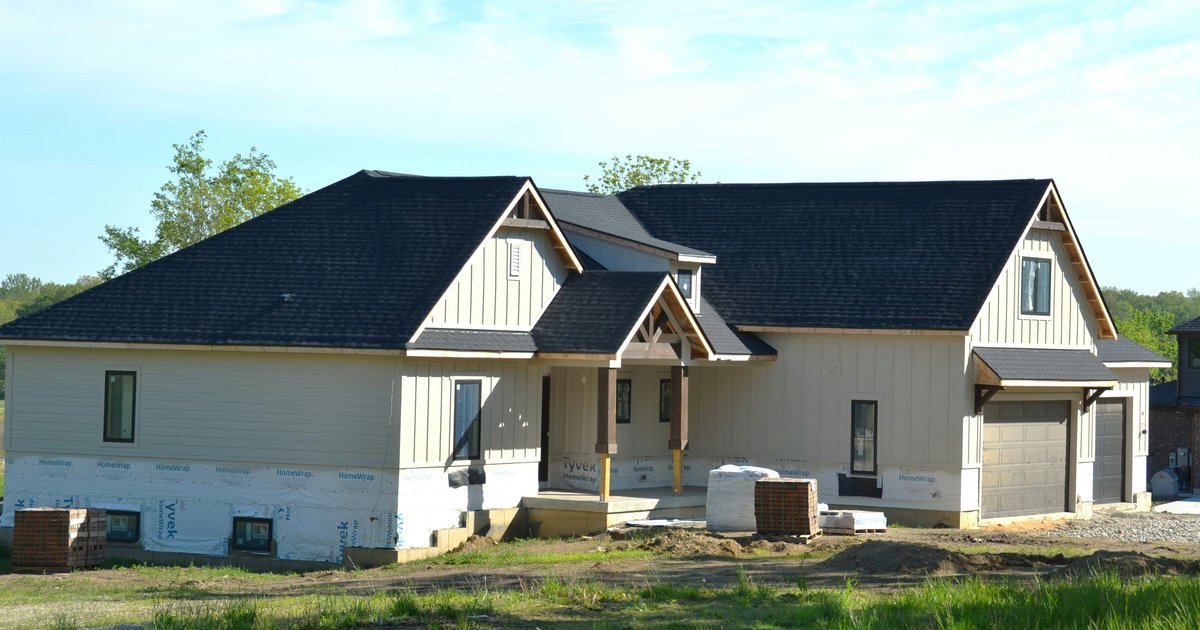
What Resale Gets You That New Construction Doesn't
If your timeline is fixed, whether you need to be in a school district before August, you're relocating for a job, or your lease ends in 60 days, resale wins on speed alone. A 30-day close is achievable on most resale transactions. New construction in DFW currently runs 6-10 months from contract to closing on a to-be-built home, or 4-6 weeks on standing inventory that's already complete.
Resale also gives you an established neighborhood. The elementary school that feeds the subdivision has real data and real teacher reviews. The grocery store and the pediatrician's office exist. You can walk the street on a Saturday morning and get a feel for the community before you commit. With new construction on the suburban edge, you're often buying into an area that won't be fully developed for several more years.
On the other hand, new construction gives you a home built to current energy codes. In Dallas, where summer electricity bills can run $400-$600 a month for an older home, that difference is measurable from day one. You're also getting a builder's warranty: typically 1 year on workmanship, 2 years on systems like plumbing and electrical, and 10 years on structural defects. There's no comparable protection on a resale purchase.
Navigating the Builder Process Without Getting Burned
One thing most buyers don't realize: the agent sitting in the model home works for the builder, not for you. Their job is to protect the builder's price and move inventory. Getting your own agent costs you nothing in a new construction transaction. The builder pays the buyer's agent commission. What you gain is someone in your corner during the design center process, someone who can negotiate flex cash or upgrades you wouldn't have known to ask for, and someone who reads the construction contract before you sign it.
We've written specifically about why you need your own agent for DFW new construction and what independent representation gets you that the builder's sales team won't mention.
The decision between new and resale ultimately comes down to your timeline, your risk tolerance, and how clearly you understand what the incentives actually cost you in the fine print. Both paths work, but only if you go in with open eyes.
If you're weighing new construction communities in Prosper, Celina, Frisco, or McKinney against established resale neighborhoods in Plano, Allen, or Richardson, I'm happy to run the actual monthly payment comparison side by side, including all MUD and PID tax loads. Reach out here.
Frequently Asked Questions
Is new construction cheaper than resale in DFW right now?
Not typically, but the gap is narrowing. Resale homes in DFW average around $367,000 in 2026; new construction runs 5-10% higher before upgrades. Builder incentives, including rate buydowns, flex cash, and closing cost credits, partially close that gap. But you need to factor in MUD and PID special district taxes, which can add $300-$400 per month in many outer-ring DFW communities, before the comparison is complete.
Can I negotiate the price on a new construction home in DFW?
Builders rarely cut the list price on to-be-built homes because reductions affect the comparable sales for their remaining inventory. What they negotiate is the incentive package: flex cash, design center credits, closing cost contributions, or a rate buydown. On standing inventory, meaning completed homes sitting unsold, you have more leverage, and some builders have reduced prices directly to clear them.
What is a preferred lender trap in new construction?
Builder incentives are almost always tied to using the builder's in-house or affiliated mortgage company. That lender may charge a higher interest rate or fees that quietly offset the incentive, meaning you're not saving as much as the headline number suggests. Always get a competing quote from an independent lender before accepting the builder's financing package.
How long does it take to close on a new construction home in DFW?
A to-be-built home in DFW currently runs 6-10 months from contract signing to closing. Standing inventory, meaning completed homes the builder is holding, can close in 30-45 days, similar to a resale transaction. If your timeline is firm, ask specifically about standing inventory before committing to a build.
What is a MUD or PID tax and how does it affect my new construction payment?
A Municipal Utility District (MUD) or Public Improvement District (PID) is a special taxing authority common in DFW's outer suburbs, including communities in Prosper, Celina, Melissa, and Anna. These assessments fund infrastructure and can add $300-$400 per month to your payment compared to a home without them. On a $500,000 home, that's potentially $40,000 in additional cost over ten years. Always ask for the full effective tax rate before making an offer.
The difference between a good new construction deal and an expensive mistake in DFW often comes down to what you check before you sign. If you want a side-by-side comparison of new construction communities and resale options in your target area, with full tax load and incentive math included, I can put that together for you. Connect with Grey Square here.
About Paul Blair
Paul Blair is the founder and broker of Grey Square, a virtual real estate brokerage representing buyers and sellers across Dallas and Los Angeles. With 22 years in the business and more than $200 million in closed transactions, Paul works the full range of the market, from luxury homes in the Park Cities and Preston Hollow to estates in the Hollywood Hills and across the Westside. Connect with Paul and the Grey Square team at greysq.com. TX TREC #9011505 · CA DRE #01792671.